Tag Archives: self-care

FIBROMYALGIA, GUILT AND SOCIAL ANXIETY

It’s been a while since I’ve written a personal post. I usually feel inspired to write about spreading positivity and sharing well-being advice. But, like everyone else, I’m human, and life brings its ups and downs, even as I strive to inspire others. Recently, I felt compelled to return to writing after a break, motivated by the desire to bring some light into a world that often feels overshadowed by darkness.

Today, I opened my WordPress dashboard and found this post sitting in my drafts folder. I’m not sure when I wrote it, but its message feels timeless, so I decided to share it now. This isn’t a plea for pity or sympathy but a sincere acknowledgment of how chronic illness – specifically fibromyalgia – has shaped my life. Everyone’s experience is unique, but it can be comforting and empowering to recognize the common threads in others’ stories. It reminds us that we’re not alone, and it opens the door for empathy and the exchange of coping strategies.

While I wholeheartedly believe in the power of maintaining a positive mindset, it’s just as crucial to honour and validate our struggles. For me, fibromyalgia has been a reflection of years spent denying negative emotions and consistently putting others’ needs before my own. Sharing this is part of my journey to heal, inspire, and encourage others to embrace both their light and their shadow.

I’m writing this after giving up on trying to get back to sleep, knowing I’ve had to cancel my plans for the day. Sleep deprivation often triggers a severe flare-up, and today is no exception. Lying in bed is unbearable due to the pain, yet I lack the energy for much physical activity. Right now, writing is one of the few things I’m able to manage.

I’d consider the fibromyalgia I have to be relatively mild. I don’t take any regular medication, except for the occasional painkiller at bedtime. Instead, I rely on natural approaches like nutrition and exercise, as I believe they’re the best way to manage it. However, during flare-ups, when my energy is depleted and brain fog sets in, even simple tasks become overwhelming. Remembering to take supplements or deciding what to cook feels impossible, let alone finding the motivation and energy to prepare a meal. As a result, I often resort to whatever is easy, carb-heavy foods – which doesn’t help much with staying in shape either.

I’m aware of my limitations, and I’ve learned to pace myself. If I have a busy, active day, I know I’ll need to rest the next day. I struggle with last-minute plans, as too much stimulation, such as loud noise, bright lights, strong smells, or sudden temperature changes – can overwhelm me.

That said, I rarely cancel plans, even when I’m not feeling my best, and I usually end up enjoying myself for sticking to them. Moderation is key, though. Once or twice a week is ideal, as long as the plans aren’t on consecutive days. I genuinely love seeing empty weeks on my calendar, it gives me the freedom to do what I want while leaving room for to plan social or other activities.

Since fibromyalgia is an invisible illness, most people only see me at my best, functioning like everyone else, and tend to forget about my condition. I don’t like to draw attention to myself or complain too much, so I push through and suffer in silence. Sometimes, I even forget I have fibromyalgia and have to remind myself that I have valid reasons to rest, sit down, or take it easy.

When I lose track of what I’m saying mid-sentence or can’t recall a word, I have to remind myself it’s not early dementia or menopause it’s the brain fog that comes with fibro. Deep down, I know I’m in a bit of denial about the illness, but acknowledging it is the first step toward understanding and managing it.

The guilt often comes from not being able to accomplish the things I want to, whether it’s doing more around the house and garden, working on my projects or helping others as much as I’d like. I work as a complementary therapist, which allows me to choose my hours, so there’s no pressure there, but I still wish I could contribute more financially to the household.

With my children being older now, I ask for their help when they’re around, though there’s naturally less to do when they’re not. Still, I feel guilty that even with extra time, I don’t always have the energy to prepare healthy meals for the family. Sometimes, I don’t even want to go places with them because I can get so tired and overwhelmed. Forcing myself to go would only spoil their day by limiting what they can do.

We’re fortunate to have a motorhome, and the family enjoy weekend trips to the beach and other places. But I find it challenging to climb into the raised beds, and the seating areas aren’t the most comfortable for relaxing. I need to feel at my best to join them, and with four people, it can feel cramped. While I sometimes feel like I’m missing out on good times and creating memories, I hold on to the hope that I’ll feel more adventurous one day – I’m not giving up.
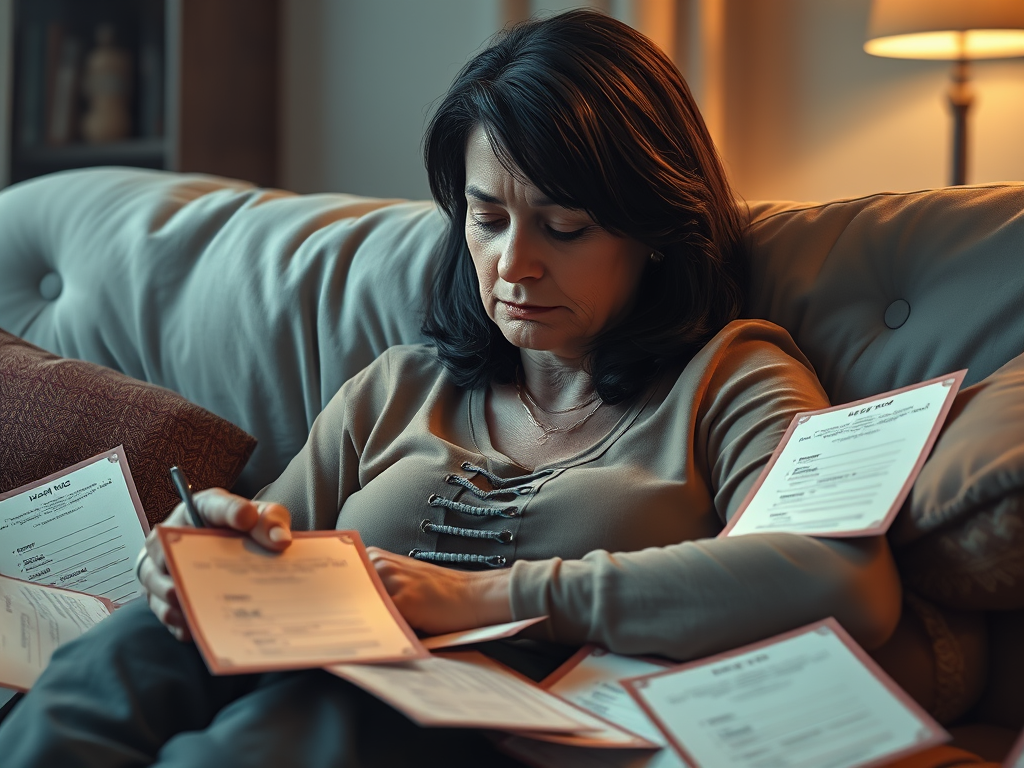
Another source of guilt is having to turn down invitations or cancel social plans. If I have a reason unrelated to my health, it doesn’t feel as bad because people tend to understand. But when it’s due to feeling tired, in pain, or overwhelmed, the guilt is much heavier. I worry that people will think I’m making excuses, judge me, or stop inviting me altogether. And then there’s the social anxiety that comes along with it…

I’m not sure why, but I often feel a strong resistance to doing things or going places, even when it’s something I’ve planned myself. It’s almost like a panic attack, and I have to talk myself into following through. This can happen even with activities I genuinely enjoy, like a course on a subject I love.

Despite the resistance, I usually push myself to go, and I’m almost always glad I did. However, I need to differentiate between anxiety and flare-ups, as the anxiety itself can sometimes trigger a flare-up. Recognising the distinction is crucial for managing both effectively.

Sometimes it feels like the people you live with are the least understanding. Maybe it’s just my perception, but when I don’t feel up to doing something and feel guilty about it, their responses can come across as dismissive and matter-of-fact. They accept my decision, but not in a way that makes me feel understood or reassured. It’s usually just a shrug and an “OK, we won’t go then,” without any eye contact or concern for how I’m feeling. It’s probably normal in a domestic setting; after all, my decisions impact them, and I probably come across as a killjoy. I might be overthinking it, but it still causes me anxiety.

Because of my work and passion about self-healing and self-care, I do take my own advice, these are a few of my coping strategies:

  • I offer myself the compassion I need, with a loving inner voice that gently reassures me.
  • I acknowledge my feelings of hopelessness and frustration. A bit of self-pity it OK as long as it’s temporary.
  • When there are tasks I absolutely have to do, I prioritise them and pace myself.
  • I keep a selection of meals in the freezer so I don’t have to think about cooking on flare-up days.
  • I have cosy, comfortable loungewear ready for these occasions.
  • I maintain a list of low-energy, low-concentration activities I can enjoy, like simple crafts (embroidery, colouring books), writing blogs, or other creative hobbies.
  • I practice self-care by doing things that are beneficial but often get overlooked when I’m busy, like taking my supplements, applying homemade pain-relief balms, or making herbal teas from my healing herbs.
  • I catch up on emails, coursework (if I can focus), or simply relax by watching TV.
  • I use tools like my TENS machine, practice self-massage, or apply healing techniques such as E.F.T., Aromatherapy, Reiki, – essentially practicing what I preach.
  • I make plans for the things I’ll do when I’m feeling better, giving myself something to look forward to.
  • Most importantly, I frame these moments as essential “Me Time” and treat them as an opportunity for rest, healing, and self-nurturing.
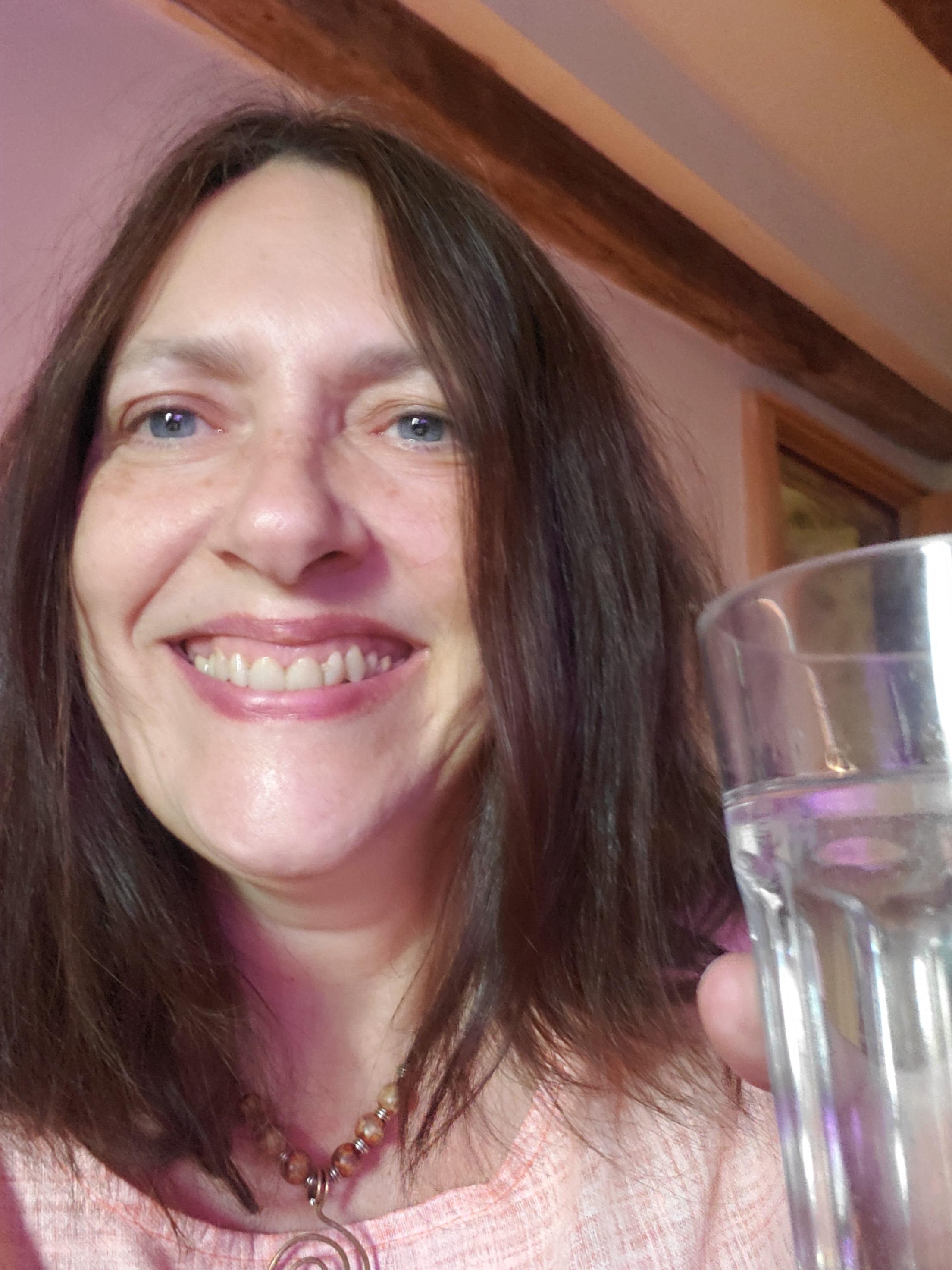
It’s not all doom and gloom – I just need to let go of the guilt and practice kindness toward myself. After all, this blog and website are dedicated to promoting self-care and self-love in a holistic way. Sometimes, I have to remind myself to be a good example for the people I’m striving to support.

I hope you found this article interesting and useful. Please take look at some of my other pages or blog posts where I talk about different therapies and my own wellbeing journey. If you’d like to see my future content then please enter your email and press subscribe below and you will be alerted when I publish anything new. Thank You for taking the time to read this. Until next time, I wish you all the very best. Janet x

Home

Images that I haven’t taken myself are from pixabay.com, unsplash.com or pexels.com.
Is Self-Distraction a Form of Resistance?

When it comes to self care and development?

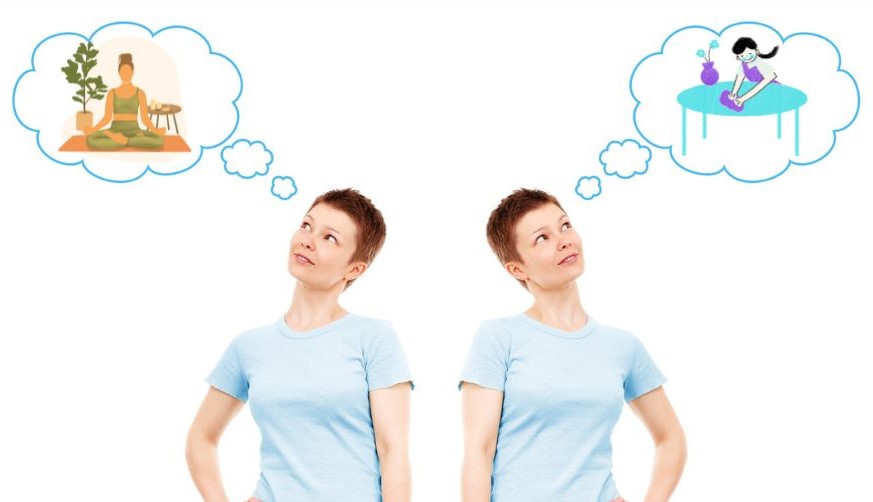
On my journey to wellbeing I have noticed that my good intentions rarely materialise because I decide other activities are more important. For example spending an hour in the morning just on myself doing things for my own benefit such as a bit of exercise, meditation, reading or writing journals, quite frequently is replaced with doing some housework, researching my latest craft venture, checking emails, online banking, there are endless options. These ‘distractions’ are important too, I tell myself, getting them done makes me feel like I’ve accomplished something, and they do need to be done. But am I fooling myself? Yes, they are necessary tasks, but not instead of the hour I planned for myself. I realise I am making excuses not to do what I intended, the question is why? There seems to be some resistance to my self-care plan, so why do I resist something that will be good for me? This is where I need to find the answers in order to put my needs first. First we’ll look at the difference between distraction and resistance:

Distraction

Distraction refers to a state of being pulled away or diverted from a task or focus of attention. It involves interference or interruption that hinders one’s ability to concentrate on a particular activity or thought. I’m talking about self-distraction here, not from outside influences such as children, pets, partners, friends or work colleagues. Some of our distractions could be in the form of habitually scrolling through social media, starting a new hobby or project or choosing an easier task to do.    These activities provide an escape from the stresses of daily life but prevent us from making valuable progress on a personal level. 

Resistance

Resistance, can refer to the subconscious avoidance of facing uncomfortable thoughts, emotions, or situations. While it might seem counterintuitive, engaging in self-distraction often stems from our resistance to confronting certain aspects of our lives. So even though we really want to do things to improve our mental, emotional and physical health the reality can be scary. Believe it or not, staying with what we are familiar with, even things that make us unhappy, can be comfortable because it has become a habit and change is not comfortable and more importantly it requires an amount of effort on our part. Change means stepping into the unknown and the excitement of self improvement is outweighed by the uncertainty of what the outcome may be. There are lots of reasons why positive improvements can feel negative, such as how the new improved you may be received by others, feeling guilty spending time on yourself instead of serving others, not being worth it or letting go of the unhealthy habits that we enjoy. Here’s a closer look at how self-distraction and resistance are interconnected:

The Illusion of Productivity

Engaging in seemingly productive activities, like cleaning your house from top to bottom or meticulously organizing your closet, can offer a convincing illusion of accomplishment while deflecting your attention from more pressing matters. I am guilty of doing this, I may be looking for a pen to start writing a journal and end up clearing a drawer out in the process leaving no time for my intended task. I definitely feel better if I’ve decluttered a drawer and it makes life easier looking for things afterwards BUT I’ve avoided doing the thing that could have been even more beneficial to me.

Avoidance of Uncomfortable Emotions

Resistance thrives on avoiding discomfort. When we bury our heads in our smartphones or immerse ourselves in video games, we effectively dodge the uncomfortable emotions we might be experiencing. Rather than confronting our feelings of anxiety, stress, or sadness, we choose to escape into a virtual world where these emotions seem temporarily distant. I can be reading a self-help book enthusiastically and then an idea pops into my head, usually inspired from the book initially, but this ‘idea’ takes me away from finishing the book and following the exercises. It could be wanting to buy copies for friends or a new journal to work through it for example, so I start looking online and then I’m lost in a world of distractions and don’t get back to my book and avoid doing any of the self-help exercises.

Subconscious Fear of Change

Sometimes, resistance originates from an unconscious fear of change. Starting a new project or addressing personal challenges can be daunting, as they often require stepping out of our comfort zones. In these moments, the allure of self-distraction can become almost irresistible, allowing us to stay within the confines of what we know, even if it’s not serving our growth.

I initially started this blog to record my journey to healing and wellbeing and to share all the ideas, experience and knowledge I have. I don’t have any problem sharing and you’ll find lots of useful articles here on self-care, self-love and healing etc. But my initial intention of leading by example by practicing what I preach didn’t get very far. Even though I know that putting myself first is essential to my wellbeing, I have resisted in doing so in the belief that life is full of distractions and setbacks. SO now I ask myself ‘what are my fears?’ Is it the fear of failure, the fear of change? I will be addressing this in my personal blog because I have actually been making some improvements in my health but I fear that I won’t succeed and that will not help other people. It’s time for a change!

Where to Start

The Power of Self-Awareness

Recognizing self-distraction as a form of resistance is the first step towards breaking free from its grip. Cultivating self-awareness allows us to identify the moments when we’re using distractions to avoid facing uncomfortable truths. Instead of succumbing to resistance, we can choose to lean into discomfort, acknowledging our feelings and addressing the root causes.

Embracing Mindfulness and Reflection

By fostering mindfulness and practicing self-reflection, we can dismantle the cycle of resistance. Mindfulness encourages us to be present in our emotions and experiences, making it harder for resistance to gain a foothold. Self-reflection helps us identify the patterns of distraction we engage in and empowers us to take intentional steps towards personal growth.

In conclusion, self-distraction isn’t always the harmless escape it appears to be. It often serves as a subconscious form of resistance, deterring us from facing uncomfortable emotions and avoiding necessary change. By recognizing this connection and practicing self-awareness, mindfulness, and reflection, we can break free from the cycle of resistance and move towards a more authentic, empowered, and growth-oriented life.

Thank you for reading my article. I cover a range of subjects from my work as a complementary therapist, personal experiences and interests.

Thank you for taking the time to read my post. If you like this article please take look at some of my other pages or blog posts where I talk about different therapies and my own wellbeing journey and if you’d like to see future posts then please enter your email address and click on the subscribe button below and you will be notified of future content. I have no plans to use your email address for any other purpose. Feel free to share my page with anyone you feel may be interested and if you have any feedback about what I write or suggestions for further articles then please use the comment box further down the page. Warmest Wishes, Janet x

Thank you for taking the time to read my post. If you like this article please take look at some of my other pages or blog posts where I talk about different therapies and my own wellbeing journey and if you’d like to see future posts then please enter your email address and click on the subscribe button below and you will be notified of future content. I have no plans to use your email address for any other purpose. Feel free to share my page with anyone you feel may be interested and if you have any feedback about what I write or suggestions for further articles then please use the comment box further down the page. Warmest Wishes, Janet x

Details

https://www.solistic.fr/

Images that I haven’t taken myself are from pixabay.com, unsplash.com or pexels.com.
What’s Love got to do with it?

What is Love and Why is Self-Love Important?

You’ve probably heard the phrase ‘Love makes the world go round’. But have you ever paused to consider what is love and why does it matter? More importantly, why is self-love so essential to our wellbeing and relationships?

What is Love?

“Love” is a complex and multifaceted emotion, often described as a deep affection, care, and attachment to someone or something. It can manifest in various forms and intensities, and its meaning can vary depending on the context. Love is an essential aspect of human experience and plays a central role in our relationships, personal development, and overall well-being.

There are many forms of love, here are a few of the most commonly recognised types:

  • Romantic Love: This is the passionate, affectionate love typically associated with romantic relationships. It involves intense emotions, physical attraction, and a deep connection between two people.
  • Platonic Love: This is a type of love that is purely based on friendship and does not involve romantic or sexual attraction. It is characterized by a strong emotional bond, trust, and companionship. It’s characterized by mutual respect, shared interests, and emotional support.
  • Familial Love: This is the love between family members. It includes the love between parents and children (parental love), between siblings (sibling love), and among extended family members.
  • Parental Love: Parental love is the deep and nurturing love that parents have for their children. It often involves sacrifice and a strong desire to protect and care for one’s offspring.
  • Spiritual Love: Spiritual love is associated with a sense of connection to something greater than oneself, often associated with religious beliefs. It is love is a love that transcends the physical and material world. It also involves a deep and compassionate love for all people, regardless of their actions or characteristics.
  • Self-Love: Self-love is the love and acceptance of oneself. It is important for a healthy self-esteem and overall well-being.

Love is a profound emotion that includes a variety of different feelings, states, and attitudes. However, before you can successfully love others, you must first learn to love yourself. This is where self-love comes into play.

The Importance of Self-Love

Consciously recognizing your worth and focusing on your happiness and wellbeing is vital to your overall health. Self-love is not just about pampering oneself with materialistic pleasures, but it’s also about caring for one’s mental health, self-growth, and sense of happiness.

So, why is cultivating self-love important?

Boosts Mental Health

Your mental wellbeing goes hand in hand with self-love. When you love yourself, you accept your imperfections. This acceptance leads to fewer comparisons with others, which often results in a significant improvement in mental health.

Strengthens Relationships

Love has a ripple effect. When you practice self-love, it reflects in your relationships. It sets a standard for how others should respect and treat you. In turn, it helps develop healthier relationships with your loved ones.

Leads to Success

A high degree of self-love leads to greater motivation to achieve your personal and professional goals. When you value yourself, you are more likely to strive for success.

How to Cultivate Self-Love

Cultivating self-love is an ongoing journey, not a destination. Here are some steps you can take:

  • Acceptance: Accept your flaws and appreciate your strengths.
  • Self-care: Take care of your health – physical and mental.
  • Boundaries: Learn to say ‘no’ when something conflicts with your wellbeing.

Thank you for reading my article. I cover a range of subjects from my work as a complementary therapist, personal experiences and interests.

Thank you for taking the time to read my post. If you like this article please take look at some of my other pages or blog posts where I talk about different therapies and my own wellbeing journey and if you’d like to see future posts then please enter your email address and click on the subscribe button below and you will be notified of future content. I have no plans to use your email address for any other purpose. Feel free to share my page with anyone you feel may be interested and if you have any feedback about what I write or suggestions for further articles then please use the comment box further down the page. Warmest Wishes, Janet x

Thank you for taking the time to read my post. If you like this article please take look at some of my other pages or blog posts where I talk about different therapies and my own wellbeing journey and if you’d like to see future posts then please enter your email address and click on the subscribe button below and you will be notified of future content. I have no plans to use your email address for any other purpose. Feel free to share my page with anyone you feel may be interested and if you have any feedback about what I write or suggestions for further articles then please use the comment box further down the page. Warmest Wishes, Janet x

https://www.solistic.fr/

Images that I haven’t taken myself are from pixabay.com, unsplash.com or pexels.com.
The Most Important Relationship

When we think about relationships we mostly think externally about how we relate to others and forget the one we should be focussing on first:

Your Relationship with Yourself

Having a healthy relationship with yourself is essential for overall well-being and happiness. Many of us spend a lot of time focusing on our relationships with others, whether it be romantic partners, friends, or family members. However, it’s just as important to nurture and maintain a positive relationship with ourselves.

Awareness

One of the most important aspects of having a good relationship with yourself is self-awareness. This means being in tune with your thoughts, feelings, and behaviours, and understanding how they impact your life. It also means being honest with yourself about your strengths and weaknesses, and accepting yourself for who you are.

Self Care

Another important aspect is self-care. This includes taking care of your physical, emotional, and mental health. This can include things like exercise, eating well, getting enough sleep, and taking time to relax and de-stress. It also means setting boundaries with others and learning to say no when necessary.

Be Kind to Yourself

In addition to self-awareness and self-care, it’s also important to practice self-compassion. This means being kind and understanding towards yourself, even when you make mistakes or fall short of your goals. It’s important to remember that everyone makes mistakes and it’s a part of the learning process.

Building a positive relationship with yourself takes time and effort, but it’s worth it. When you have a healthy relationship with yourself, you’ll be better equipped to handle challenges and setbacks, and you’ll be more confident in your ability to achieve your goals.

Ultimately, having a relationship with yourself means treating yourself with the same care, kindness and respect that you would give to a loved one. Remember that you are your own best friend, and it’s important to take care of yourself in the same way you would take care of a friend.

If you are looking to improve your relationship with yourself, try setting aside some time each day for self-reflection, practice self-compassion, and make sure to engage in self-care activities that you enjoy. With time and effort, you’ll be well on your way to a healthy, positive relationship with yourself.

Thank you for reading my article. I cover a range of subjects from my work as a complementary therapist, personal experiences and interests.

Thank you for taking the time to read my post. If you like this article please take look at some of my other pages or blog posts where I talk about different therapies and my own wellbeing journey and if you’d like to see future posts then please enter your email address and click on the subscribe button below and you will be notified of future content. I have no plans to use your email address for any other purpose. Feel free to share my page with anyone you feel may be interested and if you have any feedback about what I write or suggestions for further articles then please use the comment box further down the page. Warmest Wishes, Janet x

Thank you for taking the time to read my post. If you like this article please take look at some of my other pages or blog posts where I talk about different therapies and my own wellbeing journey and if you’d like to see future posts then please enter your email address and click on the subscribe button below and you will be notified of future content. I have no plans to use your email address for any other purpose. Feel free to share my page with anyone you feel may be interested and if you have any feedback about what I write or suggestions for further articles then please use the comment box further down the page. Warmest Wishes, Janet x

https://www.solistic.fr/

Images that I haven’t taken myself are from pixabay.com, unsplash.com or pexels.com.