

It’s been a while since I’ve written a personal post. I usually feel inspired to write about spreading positivity and sharing well-being advice. But, like everyone else, I’m human, and life brings its ups and downs, even as I strive to inspire others. Recently, I felt compelled to return to writing after a break, motivated by the desire to bring some light into a world that often feels overshadowed by darkness.
Today, I opened my WordPress dashboard and found this post sitting in my drafts folder. I’m not sure when I wrote it, but its message feels timeless, so I decided to share it now. This isn’t a plea for pity or sympathy but a sincere acknowledgment of how chronic illness – specifically fibromyalgia – has shaped my life. Everyone’s experience is unique, but it can be comforting and empowering to recognize the common threads in others’ stories. It reminds us that we’re not alone, and it opens the door for empathy and the exchange of coping strategies.
While I wholeheartedly believe in the power of maintaining a positive mindset, it’s just as crucial to honour and validate our struggles. For me, fibromyalgia has been a reflection of years spent denying negative emotions and consistently putting others’ needs before my own. Sharing this is part of my journey to heal, inspire, and encourage others to embrace both their light and their shadow.
My Fibro Story

I’m writing this after giving up on trying to get back to sleep, knowing I’ve had to cancel my plans for the day. Sleep deprivation often triggers a severe flare-up, and today is no exception. Lying in bed is unbearable due to the pain, yet I lack the energy for much physical activity. Right now, writing is one of the few things I’m able to manage.
I’d consider the fibromyalgia I have to be relatively mild. I don’t take any regular medication, except for the occasional painkiller at bedtime. Instead, I rely on natural approaches like nutrition and exercise, as I believe they’re the best way to manage it. However, during flare-ups, when my energy is depleted and brain fog sets in, even simple tasks become overwhelming. Remembering to take supplements or deciding what to cook feels impossible, let alone finding the motivation and energy to prepare a meal. As a result, I often resort to whatever is easy, carb-heavy foods – which doesn’t help much with staying in shape either.
I’m aware of my limitations, and I’ve learned to pace myself. If I have a busy, active day, I know I’ll need to rest the next day. I struggle with last-minute plans, as too much stimulation, such as loud noise, bright lights, strong smells, or sudden temperature changes – can overwhelm me.
That said, I rarely cancel plans, even when I’m not feeling my best, and I usually end up enjoying myself for sticking to them. Moderation is key, though. Once or twice a week is ideal, as long as the plans aren’t on consecutive days. I genuinely love seeing empty weeks on my calendar, it gives me the freedom to do what I want while leaving room for to plan social or other activities.
GUILT
The guilt that comes with fibromyalgia often leads to anxiety and depression. The anxiety stems from feeling like people think I’m making excuses or judging me, while the depression comes from the sense that no one truly understands.
Since fibromyalgia is an invisible illness, most people only see me at my best, functioning like everyone else, and tend to forget about my condition. I don’t like to draw attention to myself or complain too much, so I push through and suffer in silence. Sometimes, I even forget I have fibromyalgia and have to remind myself that I have valid reasons to rest, sit down, or take it easy.
When I lose track of what I’m saying mid-sentence or can’t recall a word, I have to remind myself it’s not early dementia or menopause it’s the brain fog that comes with fibro. Deep down, I know I’m in a bit of denial about the illness, but acknowledging it is the first step toward understanding and managing it.

The guilt often comes from not being able to accomplish the things I want to, whether it’s doing more around the house and garden, working on my projects or helping others as much as I’d like. I work as a complementary therapist, which allows me to choose my hours, so there’s no pressure there, but I still wish I could contribute more financially to the household.
With my children being older now, I ask for their help when they’re around, though there’s naturally less to do when they’re not. Still, I feel guilty that even with extra time, I don’t always have the energy to prepare healthy meals for the family. Sometimes, I don’t even want to go places with them because I can get so tired and overwhelmed. Forcing myself to go would only spoil their day by limiting what they can do.
We’re fortunate to have a motorhome, and the family enjoy weekend trips to the beach and other places. But I find it challenging to climb into the raised beds, and the seating areas aren’t the most comfortable for relaxing. I need to feel at my best to join them, and with four people, it can feel cramped. While I sometimes feel like I’m missing out on good times and creating memories, I hold on to the hope that I’ll feel more adventurous one day – I’m not giving up.
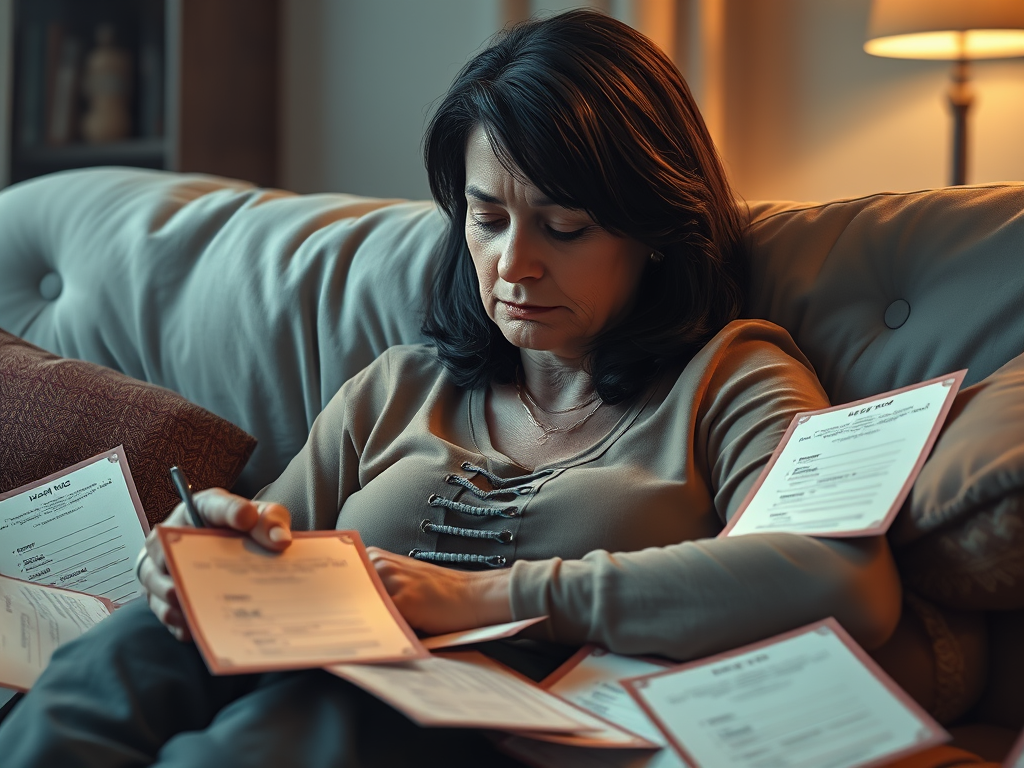
Another source of guilt is having to turn down invitations or cancel social plans. If I have a reason unrelated to my health, it doesn’t feel as bad because people tend to understand. But when it’s due to feeling tired, in pain, or overwhelmed, the guilt is much heavier. I worry that people will think I’m making excuses, judge me, or stop inviting me altogether. And then there’s the social anxiety that comes along with it…
SOCIAL ANXIETY

I’m not sure why, but I often feel a strong resistance to doing things or going places, even when it’s something I’ve planned myself. It’s almost like a panic attack, and I have to talk myself into following through. This can happen even with activities I genuinely enjoy, like a course on a subject I love.
Despite the resistance, I usually push myself to go, and I’m almost always glad I did. However, I need to differentiate between anxiety and flare-ups, as the anxiety itself can sometimes trigger a flare-up. Recognising the distinction is crucial for managing both effectively.
Sometimes it feels like the people you live with are the least understanding. Maybe it’s just my perception, but when I don’t feel up to doing something and feel guilty about it, their responses can come across as dismissive and matter-of-fact. They accept my decision, but not in a way that makes me feel understood or reassured. It’s usually just a shrug and an “OK, we won’t go then,” without any eye contact or concern for how I’m feeling. It’s probably normal in a domestic setting; after all, my decisions impact them, and I probably come across as a killjoy. I might be overthinking it, but it still causes me anxiety.
So, what do I do about it?

Because of my work and passion about self-healing and self-care, I do take my own advice, these are a few of my coping strategies:
- I offer myself the compassion I need, with a loving inner voice that gently reassures me.
- I acknowledge my feelings of hopelessness and frustration. A bit of self-pity it OK as long as it’s temporary.
- When there are tasks I absolutely have to do, I prioritise them and pace myself.
- I keep a selection of meals in the freezer so I don’t have to think about cooking on flare-up days.
- I have cosy, comfortable loungewear ready for these occasions.
- I maintain a list of low-energy, low-concentration activities I can enjoy, like simple crafts (embroidery, colouring books), writing blogs, or other creative hobbies.
- I practice self-care by doing things that are beneficial but often get overlooked when I’m busy, like taking my supplements, applying homemade pain-relief balms, or making herbal teas from my healing herbs.
- I catch up on emails, coursework (if I can focus), or simply relax by watching TV.
- I use tools like my TENS machine, practice self-massage, or apply healing techniques such as E.F.T., Aromatherapy, Reiki, – essentially practicing what I preach.
- I make plans for the things I’ll do when I’m feeling better, giving myself something to look forward to.
- Most importantly, I frame these moments as essential “Me Time” and treat them as an opportunity for rest, healing, and self-nurturing.
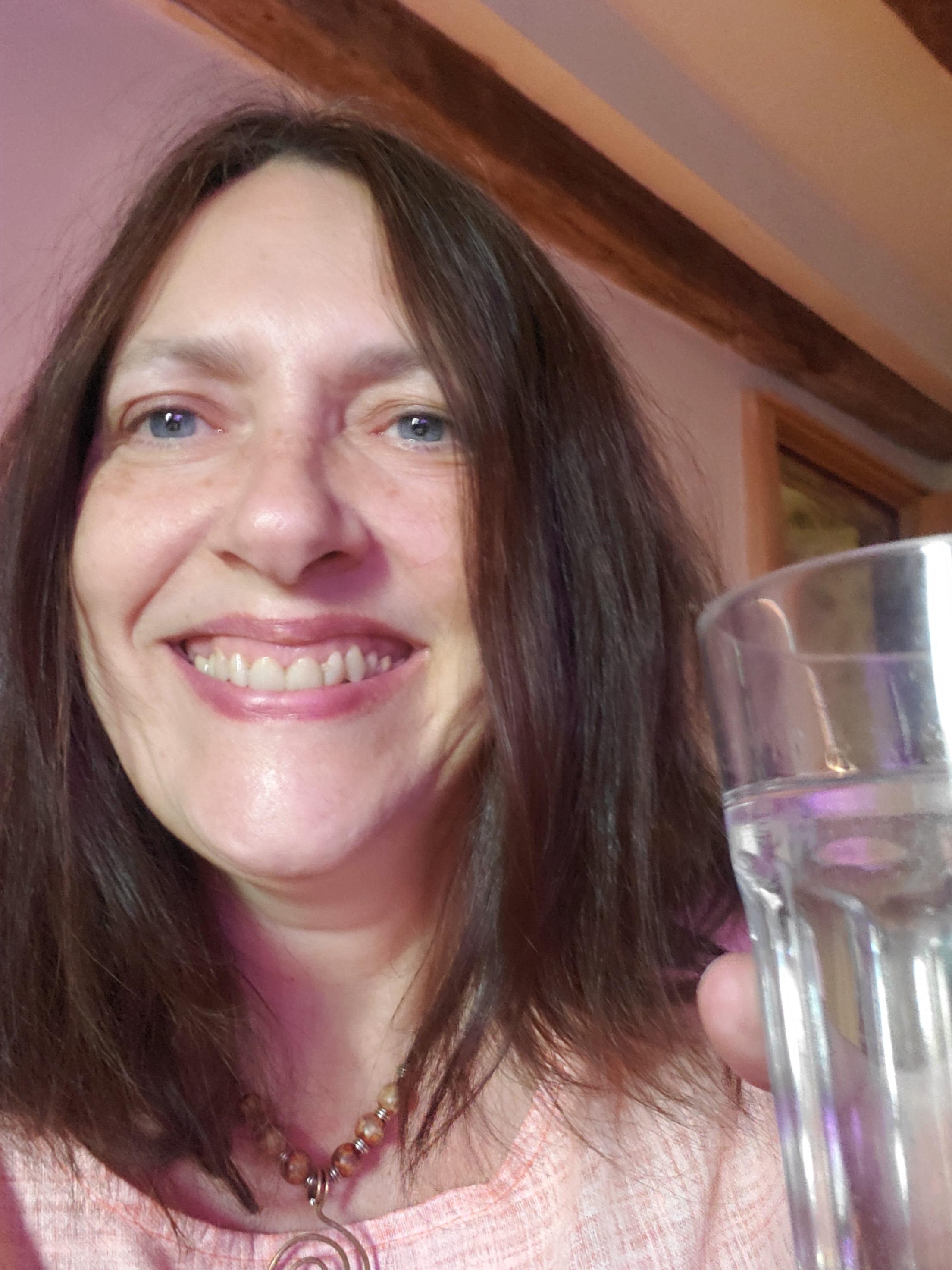
It’s not all doom and gloom – I just need to let go of the guilt and practice kindness toward myself. After all, this blog and website are dedicated to promoting self-care and self-love in a holistic way. Sometimes, I have to remind myself to be a good example for the people I’m striving to support.
I hope you found this article interesting and useful. Please take look at some of my other pages or blog posts where I talk about different therapies and my own wellbeing journey. If you’d like to see my future content then please enter your email and press subscribe below and you will be alerted when I publish anything new. Thank You for taking the time to read this. Until next time, I wish you all the very best. Janet x
Home
Images that I haven’t taken myself are from pixabay.com, unsplash.com or pexels.com.

 Solistic