I am a Reflexologist and Complementary therapist based near Lescure-Jaoul, Aveyron, France.
The therapies I provide are Reflexology, Wellbeing Massage including Indian Head Massage, a variety of Holistic Facials, Reiki and Crystal Healing.
Over the years I have taken part in many personal and spiritual development courses and I'm passionate about self-heap and self-care. Wanting to share my knowledge and experience, I developed a wellbeing blog where I share my own healing journey from fibromyalgia and write articles on Healing and Self-Care.
I am currently in the process of developing online courses and hope to
Thank you for taking the time to read this.
Janet
A Global Reminder About Respect, Dignity, and Everyday Realities
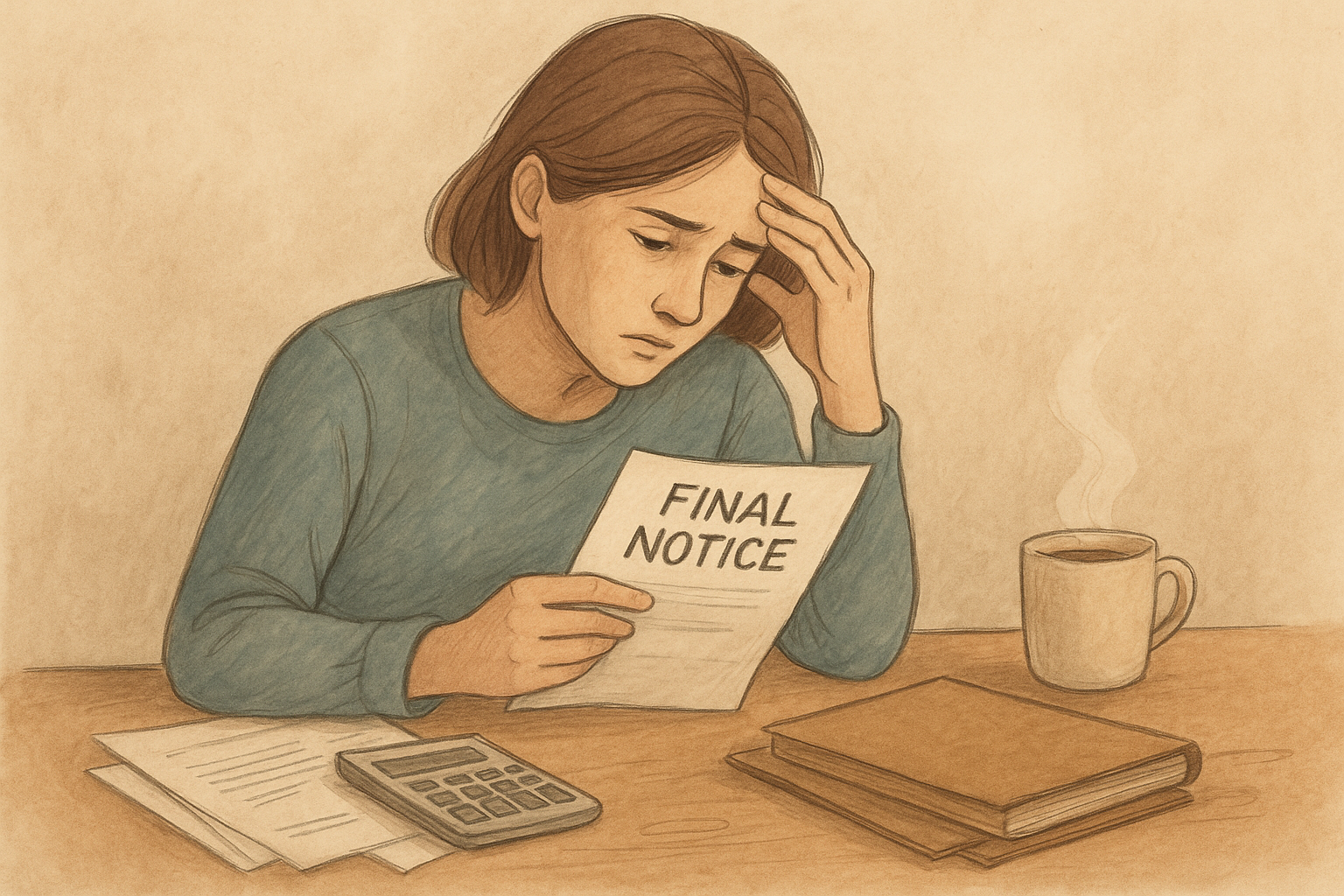
When companies or individuals delay payments, the consequences can be far more serious than they realise. This article explores the unseen impact of late payments on families, dignity, and self-worth and why timely payment is a matter of respect, not charity.
Why Timely Payment Matters More Than Many Realise
But for many families, being paid late, whether by an employer, a client, or a company, can be the difference between eating well or not, heating the house or going without, buying presents for their children or having to quietly explain why this year will be different.
And often, it has nothing to do with mismanaging money. It has everything to do with payments that simply don’t arrive when they should.
In a world where many people live comfortably, it’s easy to assume everyone else does too. When you don’t have to check your bank balance before buying groceries or wait anxiously for a payment to clear, it’s difficult to imagine how deeply late payments can affect others.
This isn’t just about helping people in need. It’s about respect. It’s about self-worth. It’s about honouring the dignity of the people who have already done the work and deserve to be paid on time.
The Reality Many Comfortably Off People Don’t See
People who have stable finances often don’t see the chain reaction a delayed payment can cause:
the embarrassment of rearranging essential bills
rationing food or electricity
the stress of searching for temporary loans
the sleepless nights calculating every remaining penny
the shame of asking for help when you are normally the one helping others
For families living close to the edge, even a “small” amount can decide whether the week goes smoothly or spirals into anxiety.
Late payments don’t just affect wallets. They affect mental health, pride, and family stability.
Being on the receiving end of this behaviour
This Message Is for Everyone – Everywhere
If you’re fortunate enough that late payments don’t affect your life, that’s a blessing. Truly.
But please remember:
Not everyone has the same financial cushion.
Not everyone can absorb a delayed payment without consequences.
Not everyone can comfortably wait until after Christmas, after the holidays, or “when it’s easier.”
Sometimes the money you think “can wait” absolutely cannot for someone else.
This isn’t about guilt. It’s about awareness, kindness, and human respect.
Paying people on time isn’t charity. It’s respect.
A world where everyone honours the work of others, promptly and fairly, is a world where dignity is protected, families are supported, and nobody has to choose between pride and survival.
I hope you found this article interesting and useful. Please take look at some of my other pages or blog posts where I talk about different therapies and my own wellbeing journey. If you’d like to see my future content then please enter your email and press subscribe below and you will be alerted when I publish anything new. Thank You for taking the time to read this. Until next time, I wish you all the very best. Janet x
For much of my life, I carried a quiet fear of being judged. It showed up in small ways, worrying what people might think, holding back my true opinions, or shrinking my light just to stay safe. I thought that if I could be “good enough,” I’d escape criticism. But judgment has a way of finding us, no matter how careful we try to be.
What I’ve learned is that people’s opinions often reflect their own stories, not our truth. When I began to really understand that, something softened inside me. I stopped chasing approval and started focusing on how I felt about my own choices. That’s where the real freedom began.
The Inner Critic
While I feared other people’s judgment, I didn’t realise how harshly I was judging myself. My inner voice could be relentless, whispering that I should have done better, that I wasn’t enough, that everyone else had it more together than I did.
It took time to see that this self-judgment wasn’t helping me grow; it was keeping me small. When I began to notice those critical thoughts, I asked myself a simple question:
Would I speak this way to someone I love?
If not, then why would I speak that way to myself.
Learning to respond to myself with kindness instead of criticism changed everything. I started replacing the words “I should have known better” with “I did my best with what I knew then.” That one shift turned shame into understanding, and understanding is where healing begins.
An example of this happened to me recently. One day, I tripped over a root in the ground. As I was falling, I felt that familiar flash of fear, the last time something like this happened, I ended up with a frozen shoulder for over a year. Instantly, I heard that old, critical voice say, “You stupid idiot.” But I caught myself and gently corrected it, saying instead, “It’s OK, accidents happen.” I didn’t injure myself this time, and I truly believe it’s because I responded with kindness rather than criticism. That simple shift in self-talk changed my body’s response from tension and fear to softness and acceptance.
When We Judge Others
There are also times I’ve caught myself judging others, not out loud, but in the quiet corners of my mind. And when I look closer, I can see that my judgment often says more about me than about them.
When someone’s confidence made me uncomfortable, it was usually because I longed to feel that free myself. When someone’s choices annoyed me, it was often because I didn’t understand them yet or saw life differently at that time.
It’s humbling to realise how much judgment is really about projection. But it’s also liberating, because once we see it, we can choose differently. Instead of reacting, we can pause and ask, “What is this showing me about myself?”
That’s how judgment becomes a teacher.
Choosing Understanding
Letting go of judgment doesn’t mean pretending we never have critical thoughts, it means we notice them without letting them control us. We become observers rather than participants.
For me, it’s an ongoing practice. Some days I slip back into self-criticism or worry about what others might think. But now I meet those moments with kindness. I remind myself that we are all learning, all trying, all human.
The more compassion I offer myself, the easier it becomes to extend that same compassion to others.
Because in the end, the opposite of judgment isn’t approval – it’s understanding. And from understanding grows acceptance, connection, and peace.
I hope you found this article interesting and useful. Please take look at some of my other pages or blog posts where I talk about different therapies and my own wellbeing journey. If you’d like to see my future content then please enter your email and press subscribe below and you will be alerted when I publish anything new. Thank You for taking the time to read this. Until next time, I wish you all the very best. Janet x
For much of my life, I may have appeared strong on the outside, independent, capable, resilient. But underneath, I was silently navigating years of emotional pain, family responsibility, chronic illness, and deep spiritual searching.
My spiritual journey truly began in my late twenties, during one of the most difficult periods of my life. I was trapped in an emotionally abusive relationship and couldn’t bring myself to ask for help, not from family or from friends. Instead, I turned inward. I started reading the Bible, exploring Buddhism, and practicing meditation. That inner work gave me the strength to leave, even though it took longer than it should have. It also taught me that we have more power over our lives than we think.
Later, when my mother’s health declined and started dementia to take hold, she relied on me more often. It was an overwhelming time, caring for my children, managing a household, and fighting for the support my mum desperately needed. It was during this period that I began experiencing strange, debilitating symptoms. I was eventually diagnosed with fibromyalgia, a condition often triggered by trauma and emotional suppression. My body had finally begun to speak the pain I’d pushed aside for years.
Amidst the chaos and challenges, my spirituality quietly deepened. I began to experience life differently, more connected, more intuitive, more open. And, while I’ve faced more grief and loss along the way, I’ve also found peace, insight, and a sense of purpose that continues to grow.
There’s so much more to this story, my isolated childhood, the loss of my father, the manipulation and shame I felt in an early toxic relationship, and the influence of a very special woman, my mentor and dearest friend Eileen, who passed away seven years ago.
I’m now working on turning this journey into a book. It’s a story of survival, awakening, healing, and the quiet power of spirituality in real life. I hope one day it will resonate with those who’ve experienced their own struggles in silence.
For now, I just want to say: if you’re walking through something painful, invisible, or hard to explain, keep going. The path may not be easy, but it can still lead somewhere beautiful.
Thank you for taking the time to read my post. If you like this article please take look at some of my other pages or blog posts where I talk about different therapies and my own wellbeing journey and if you’d like to see future posts then please enter your email address and click on the subscribe button below and you will be notified of future content. I have no plans to use your email address for any other purpose. Feel free to share my page with anyone you feel may be interested and if you have any feedback about what I write or suggestions for further articles then please use the comment box further down the page. Under the menu heading of Spirituality will be articles about my own spiritual journey, practices and subjects I’m interested in. They will be my own opinions, reflections and perspectives and no way disrespectful of others belief systems.
Beautifully written Janet and definitely had me wanting to read more! I’m sure your book will be inspiring to many. I look forward to reading it. Thanks for this encouraging message this morning. 🥰🌻☀️
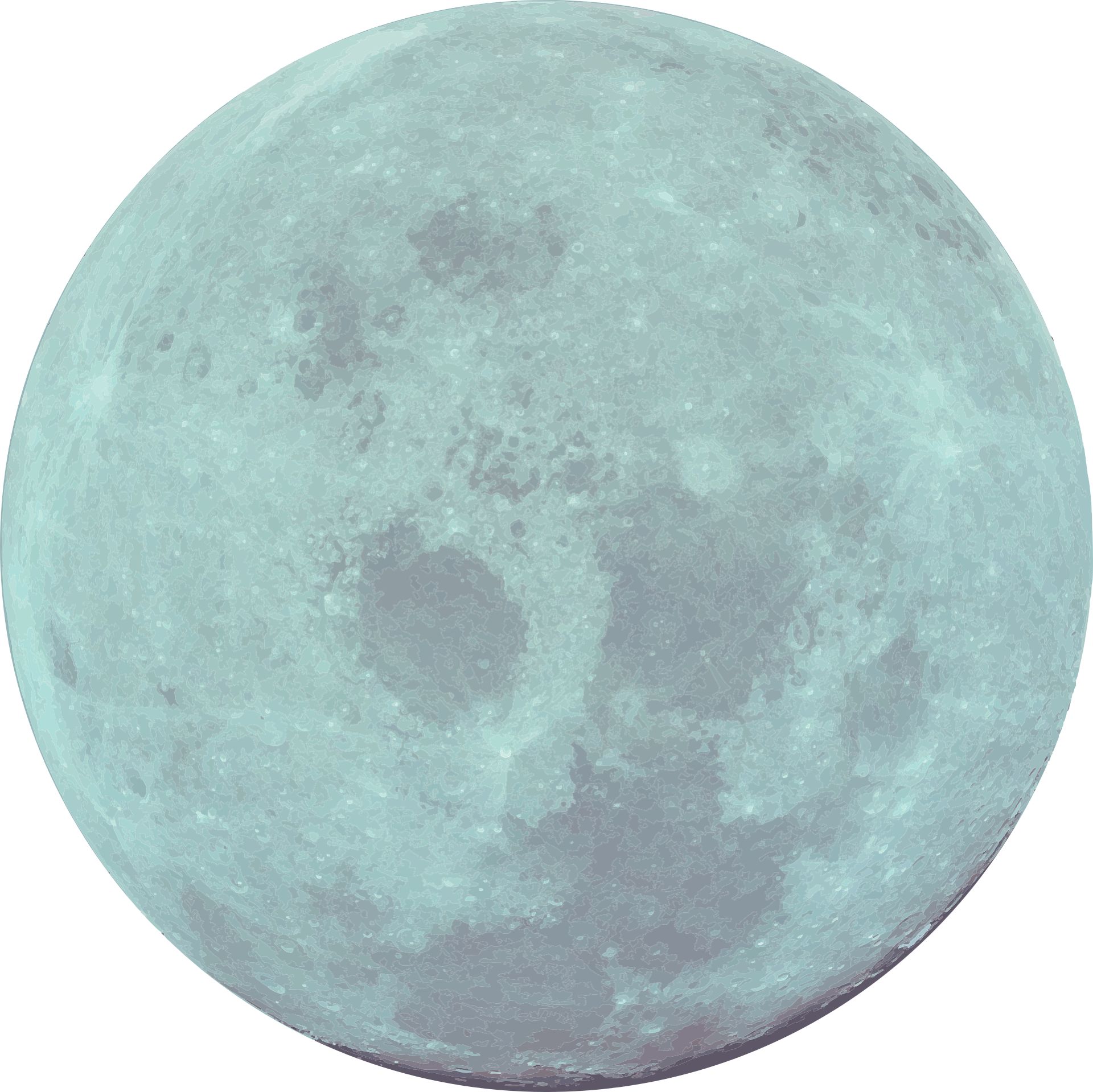
Since the dawn of time, people have gazed up at the moon in awe. It has inspired stories, guided agricultural practices, and served as a spiritual compass across cultures. But beyond its beauty, the moon’s cycles have a quiet, rhythmic influence on our inner and outer worlds, whether we’re aware of it or not.
So, how exactly does the moon affect us? And how can tuning into its phases bring more flow, intention, and balance into our lives?
Let’s take a closer look:
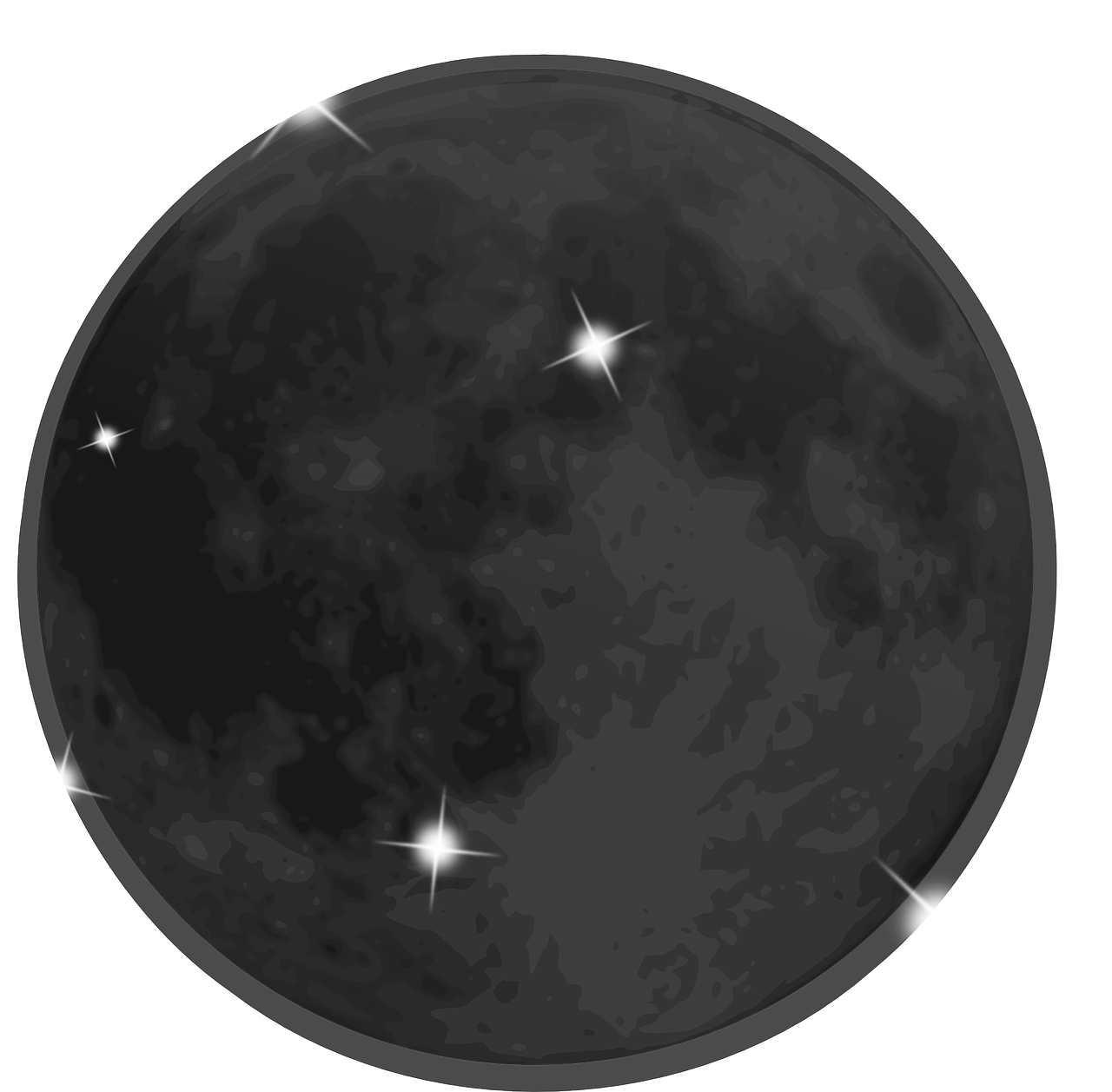
🌑 New Moon: A Time for New Beginnings
The new moon marks the start of the lunar cycle. The sky is dark, the moon hidden from sight. Symbolically, this phase represents a blank slate, a perfect time to:
plant seeds
set intentions
start something new
quietly reflect on what we want to bring into our lives.
You might feel more introspective during this time, craving stillness or solitude. Use it to journal, meditate, or clarify your goals. There’s a softness to the new moon that invites dreaming without pressure.
Ask yourself: What do I want to begin? What do I want to call in?
🌒 Waxing Moon: Building Momentum
As the moon begins to grow, so does our energy. The waxing crescent and first quarter phases are all about action. This is the time to take steps toward your intentions.
start the project
have the conversation
make the plan.
You may feel more motivated and outward-focused. The moon is gaining light, and so are you.
Tip: Make to-do lists, stay focused, and don’t be afraid to tweak your path as you go.
🌕 Full Moon: Illumination & Release
The full moon is a moment of culmination and clarity. It lights up the night sky, and sometimes, our emotions. Many people feel more energized or even restless around this time. It can bring revelations, breakthroughs, or things bubbling beneath the surface.
This is a powerful time for release. To let go of what no longer serves you:
habits
limiting beliefs
outdated goals
celebrate your progress so far
Try this: Write down what you want to release and burn it (safely!) as a symbolic gesture.
🌖 Waning Moon: Reflection & Reset
As the moon begins to wane, it’s a time to slow down, rest, and review. This phase is ideal for:
introspection
healing
tying up loose ends.
You might notice your energy drawing inward again, preparing you for the next cycle. Give yourself permission to pause. Reconnect with your body, your emotions, your truth.
Ask: What lessons did I learn this month? What am I ready to forgive or complete?
🌙 Living in Tune with the Moon
You don’t have to become an astrologer or live by the lunar calendar to benefit from the moon’s guidance. Simply noticing where you are in the cycle and how you feel, can deepen your self-awareness and help you move through life with more rhythm and intention.
Whether you’re setting goals at the new moon, releasing tension at the full moon, or just noticing your mood shifting, the moon offers a gentle reminder that everything in life is a cycle. Growth, rest, release, and renewal. We’re not meant to be in go-mode all the time.
So next time you glance up at the night sky, take a breath and ask yourself:
What phase am I in right now, internally? And what does this moment call for?
Final Thought: The moon doesn’t push or pull us with force, it whispers. But when we listen, it can offer profound insights into our patterns, emotions, and deepest desires. All we have to do is tune in. Here is a link to the Moon Phases for 2025:
Thank you for reading my article. I cover a range of subjects from my work as a complementary therapist, personal experiences and interests.
Thank you for taking the time to read my post. If you like this article please take look at some of my other pages or blog posts where I talk about different therapies and my own wellbeing journey and if you’d like to see future posts then please enter your email address and click on the subscribe button below and you will be notified of future content. I have no plans to use your email address for any other purpose. Feel free to share my page with anyone you feel may be interested and if you have any feedback about what I write or suggestions for further articles then please use the comment box further down the page. Warmest Wishes, Janet x
Thank you for taking the time to read my post. If you like this article please take look at some of my other pages or blog posts where I talk about different therapies and my own wellbeing journey and if you’d like to see future posts then please enter your email address and click on the subscribe button below and you will be notified of future content. I have no plans to use your email address for any other purpose. Feel free to share my page with anyone you feel may be interested and if you have any feedback about what I write or suggestions for further articles then please use the comment box further down the page. Warmest Wishes, Janet x
We’ve all been there when someone we care about is afraid, worried, or overwhelmed by something that, at least to us, doesn’t seem that serious. Maybe they’re caught up in fears that seem irrational. Maybe they’re stuck in a cycle of “what ifs” that don’t make sense to you. You might be thinking: They’re making this harder than it needs to be.
But the thing is, it’s not your job to measure how “valid” their fear is. It’s to meet them where they are, with compassion. Because invalidating someone’s feelings, even unintentionally, can add another layer of pain to what they’re already carrying.
The Power of Not Dismissing Someone’s Experience
Telling someone to “calm down,” “stop worrying,” or “look on the bright side” may come from a well-meaning place, but it often leaves the other person feeling unseen, unheard, and alone.
When someone is struggling, they don’t need to be convinced that everything is fine. They need to know that their feelings matter, even if you see things differently.
Instead of correcting them, try saying:
“That sounds really difficult. I’m here for you.”
“I might not feel the same way, but I can see that this is important to you.”
“You don’t have to explain it perfectly, I believe that this is real for you.”
These kinds of responses don’t feed the fear, but they do feed the connection, and that’s what helps people feel safer and more grounded.
Fear Is Everywhere Right Now
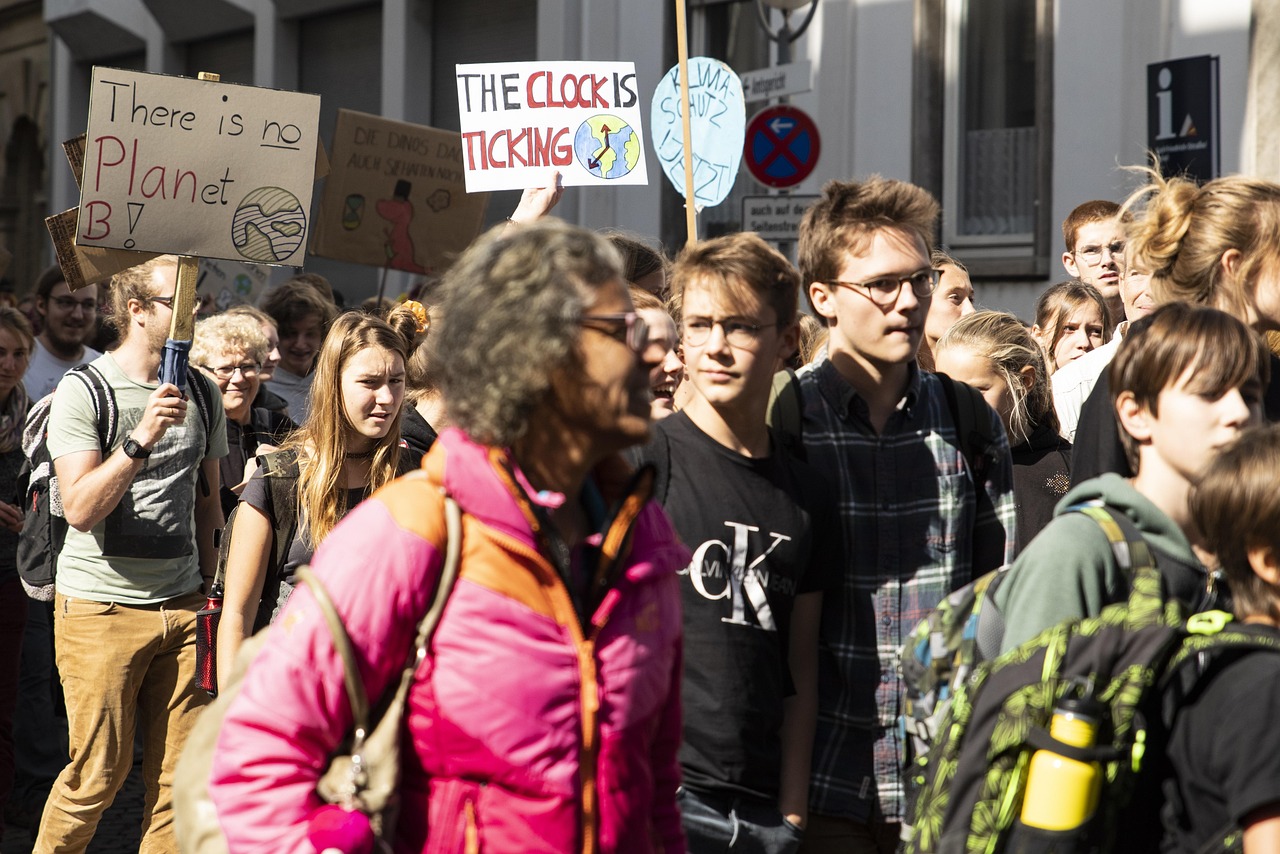
People all over the world are struggling right now. From global instability to economic uncertainty, from climate change to social unrest, fear and grief are in the air. Many people feel like the ground beneath them is shifting, and they’re unsure where to place their next step.
In times like these, even small personal fears can feel amplified. People are more anxious, more sensitive, and more emotionally raw than usual. What looks like an overreaction might actually be someone’s nervous system hitting its limit.
Being dismissive in times like this isn’t just unhelpful, it’s harmful. We’re all carrying more than we admit to.
You Don’t Have to Agree to Be Supportive
Support doesn’t require you to agree with someone’s thoughts. It requires you to honour their emotions. You can believe someone is wrong and still be kind. You can think their fear is disproportionate and still offer empathy.
In fact, real empathy often shows up when it would be easier to judge.
Try supporting them with words like:
“I don’t see it the same way, but I respect how you’re feeling.”
“This might not be dangerous to me, but I can see it’s scary for you.”
“Let’s figure out a way through this together.”
Choose Compassion Over Correction
When someone is struggling, don’t rush to logic. Don’t jump straight to solutions. Give them space to feel what they’re feeling without shame. Often, what people need first is to be seen, not to be solved.
Sometimes just being there, calm and open, is enough to ground someone. Your quiet attention can be the comfort they didn’t know they needed. And your willingness to be there, without needing them to change how they feel, can be more healing than you know.
In a world already full of fear, uncertainty, and pain, the last thing any of us needs is to feel alone in it. So let’s choose kindness. Let’s stay present. Let’s remind each other: You don’t have to be right. You just have to be yourself.
I hope you found this article interesting and useful. Please take look at some of my other pages or blog posts where I talk about different therapies and my own wellbeing journey. If you’d like to see my future content then please enter your email and press subscribe below and you will be alerted when I publish anything new. Thank You for taking the time to read this. Until next time, I wish you all the very best. Janet x
It’s been a while since I’ve written a personal post. I usually feel inspired to write about spreading positivity and sharing well-being advice. But, like everyone else, I’m human, and life brings its ups and downs, even as I strive to inspire others. Recently, I felt compelled to return to writing after a break, motivated by the desire to bring some light into a world that often feels overshadowed by darkness.
Today, I opened my WordPress dashboard and found this post sitting in my drafts folder. I’m not sure when I wrote it, but its message feels timeless, so I decided to share it now. This isn’t a plea for pity or sympathy but a sincere acknowledgment of how chronic illness – specifically fibromyalgia – has shaped my life. Everyone’s experience is unique, but it can be comforting and empowering to recognize the common threads in others’ stories. It reminds us that we’re not alone, and it opens the door for empathy and the exchange of coping strategies.
While I wholeheartedly believe in the power of maintaining a positive mindset, it’s just as crucial to honour and validate our struggles. For me, fibromyalgia has been a reflection of years spent denying negative emotions and consistently putting others’ needs before my own. Sharing this is part of my journey to heal, inspire, and encourage others to embrace both their light and their shadow.
My Fibro Story
I’m writing this after giving up on trying to get back to sleep, knowing I’ve had to cancel my plans for the day. Sleep deprivation often triggers a severe flare-up, and today is no exception. Lying in bed is unbearable due to the pain, yet I lack the energy for much physical activity. Right now, writing is one of the few things I’m able to manage.
I’d consider the fibromyalgia I have to be relatively mild. I don’t take any regular medication, except for the occasional painkiller at bedtime. Instead, I rely on natural approaches like nutrition and exercise, as I believe they’re the best way to manage it. However, during flare-ups, when my energy is depleted and brain fog sets in, even simple tasks become overwhelming. Remembering to take supplements or deciding what to cook feels impossible, let alone finding the motivation and energy to prepare a meal. As a result, I often resort to whatever is easy, carb-heavy foods – which doesn’t help much with staying in shape either.
I’m aware of my limitations, and I’ve learned to pace myself. If I have a busy, active day, I know I’ll need to rest the next day. I struggle with last-minute plans, as too much stimulation, such as loud noise, bright lights, strong smells, or sudden temperature changes – can overwhelm me.
That said, I rarely cancel plans, even when I’m not feeling my best, and I usually end up enjoying myself for sticking to them. Moderation is key, though. Once or twice a week is ideal, as long as the plans aren’t on consecutive days. I genuinely love seeing empty weeks on my calendar, it gives me the freedom to do what I want while leaving room for to plan social or other activities.
GUILT
The guilt that comes with fibromyalgia often leads to anxiety and depression. The anxiety stems from feeling like people think I’m making excuses or judging me, while the depression comes from the sense that no one truly understands.
Since fibromyalgia is an invisible illness, most people only see me at my best, functioning like everyone else, and tend to forget about my condition. I don’t like to draw attention to myself or complain too much, so I push through and suffer in silence. Sometimes, I even forget I have fibromyalgia and have to remind myself that I have valid reasons to rest, sit down, or take it easy.
When I lose track of what I’m saying mid-sentence or can’t recall a word, I have to remind myself it’s not early dementia or menopause it’s the brain fog that comes with fibro. Deep down, I know I’m in a bit of denial about the illness, but acknowledging it is the first step toward understanding and managing it.
The guilt often comes from not being able to accomplish the things I want to, whether it’s doing more around the house and garden, working on my projects or helping others as much as I’d like. I work as a complementary therapist, which allows me to choose my hours, so there’s no pressure there, but I still wish I could contribute more financially to the household.
With my children being older now, I ask for their help when they’re around, though there’s naturally less to do when they’re not. Still, I feel guilty that even with extra time, I don’t always have the energy to prepare healthy meals for the family. Sometimes, I don’t even want to go places with them because I can get so tired and overwhelmed. Forcing myself to go would only spoil their day by limiting what they can do.
We’re fortunate to have a motorhome, and the family enjoy weekend trips to the beach and other places. But I find it challenging to climb into the raised beds, and the seating areas aren’t the most comfortable for relaxing. I need to feel at my best to join them, and with four people, it can feel cramped. While I sometimes feel like I’m missing out on good times and creating memories, I hold on to the hope that I’ll feel more adventurous one day – I’m not giving up.
Another source of guilt is having to turn down invitations or cancel social plans. If I have a reason unrelated to my health, it doesn’t feel as bad because people tend to understand. But when it’s due to feeling tired, in pain, or overwhelmed, the guilt is much heavier. I worry that people will think I’m making excuses, judge me, or stop inviting me altogether. And then there’s the social anxiety that comes along with it…
SOCIAL ANXIETY
I’m not sure why, but I often feel a strong resistance to doing things or going places, even when it’s something I’ve planned myself. It’s almost like a panic attack, and I have to talk myself into following through. This can happen even with activities I genuinely enjoy, like a course on a subject I love.
Despite the resistance, I usually push myself to go, and I’m almost always glad I did. However, I need to differentiate between anxiety and flare-ups, as the anxiety itself can sometimes trigger a flare-up. Recognising the distinction is crucial for managing both effectively.
Sometimes it feels like the people you live with are the least understanding. Maybe it’s just my perception, but when I don’t feel up to doing something and feel guilty about it, their responses can come across as dismissive and matter-of-fact. They accept my decision, but not in a way that makes me feel understood or reassured. It’s usually just a shrug and an “OK, we won’t go then,” without any eye contact or concern for how I’m feeling. It’s probably normal in a domestic setting; after all, my decisions impact them, and I probably come across as a killjoy. I might be overthinking it, but it still causes me anxiety.
So, what do I do about it?
Because of my work and passion about self-healing and self-care, I do take my own advice, these are a few of my coping strategies:
I offer myself the compassion I need, with a loving inner voice that gently reassures me.
I acknowledge my feelings of hopelessness and frustration. A bit of self-pity it OK as long as it’s temporary.
When there are tasks I absolutely have to do, I prioritise them and pace myself.
I keep a selection of meals in the freezer so I don’t have to think about cooking on flare-up days.
I have cosy, comfortable loungewear ready for these occasions.
I maintain a list of low-energy, low-concentration activities I can enjoy, like simple crafts (embroidery, colouring books), writing blogs, or other creative hobbies.
I practice self-care by doing things that are beneficial but often get overlooked when I’m busy, like taking my supplements, applying homemade pain-relief balms, or making herbal teas from my healing herbs.
I catch up on emails, coursework (if I can focus), or simply relax by watching TV.
I use tools like my TENS machine, practice self-massage, or apply healing techniques such as E.F.T., Aromatherapy, Reiki, – essentially practicing what I preach.
I make plans for the things I’ll do when I’m feeling better, giving myself something to look forward to.
Most importantly, I frame these moments as essential “Me Time” and treat them as an opportunity for rest, healing, and self-nurturing.
It’s not all doom and gloom – I just need to let go of the guilt and practice kindness toward myself. After all, this blog and website are dedicated to promoting self-care and self-love in a holistic way. Sometimes, I have to remind myself to be a good example for the people I’m striving to support.
I hope you found this article interesting and useful. Please take look at some of my other pages or blog posts where I talk about different therapies and my own wellbeing journey. If you’d like to see my future content then please enter your email and press subscribe below and you will be alerted when I publish anything new. Thank You for taking the time to read this. Until next time, I wish you all the very best. Janet x
In a world dominated by news of crisis, conflict, and chaos, it can feel as though the very fabric of humanity is unravelling. You only need to look at the news to see the every day horrors of war, abuse, corruption and propaganda that seems to get worse by the day.
Yet, amidst the noise of negativity, a profound truth often goes unnoticed: the power to heal the world rests within each of us, in our ability to focus on the good. It may sound simple, even idealistic, but history and science show that collective positive intention can drive change, both within ourselves and in the world around us.
What hope is there?
We can explore how shifting our focus toward what is beautiful, kind, and hopeful in the world can ignite real transformation.
The Energy of Attention
Where we place our attention shapes not only our personal experiences but also the world we live in. Our minds are like sponges, soaking up the information we give them, and in today’s environment, they are often drenched in despair. Every headline, every viral video of injustice, every tweet that fuels division draws us deeper into the narrative that the world is broken beyond repair.
But what if we took control of where we direct our attention? Imagine focusing not on the crises that divide us, but on the small acts of goodness happening every day—the people who reach out to help their neighbours, the communities rallying around vulnerable members, the innovators developing sustainable solutions to global challenges. These stories are everywhere, yet they don’t always make it to the forefront of our consciousness.
Cultivating a mindset of gratitude and positivity can rewire our brains, making us more resilient, hopeful, and compassionate. When we focus on the good, we activate neural pathways associated with joy and empathy, helping us to cope with stress and developing a sense of connection with others. This isn’t about denial—it’s about balance. By choosing to give our energy to what uplifts us, rather than what drags us down, we become part of the solution.
The Ripple Effect of Good Energy
Imagine each positive thought, each kind gesture, each moment of mindful appreciation as a ripple in the vast ocean of collective consciousness. Individually, these actions might seem small, but as they spread outward, they interact with others, creating waves of change.
By focusing on the good, we radiate positive energy that others naturally pick up on. This energy creates an environment where kindness is more likely to flourish, where solutions are more likely to emerge, and where peace has the space to grow. Healing the world begins with healing ourselves, and healing ourselves begins with what we choose to nurture in our hearts.
The ripple effect is real. One person’s smile can lift the mood of an entire room, and one act of generosity can inspire a chain of kindness. This is not imaginary; it’s deeply embedded in how humans are wired. Emotions are contagious, meaning the positivity or negativity we project affects those around us in profound ways. And in this interconnected world, our impact extends further than we often realize.
Cultivating Goodness in Everyday Life
So, how can we cultivate this focus on the good in our everyday lives?
1. Practice Mindful Gratitude
Every day, take a few moments to reflect on the things, however small, that brought you joy or comfort. It could be a simple conversation with a friend, a beautiful sunset, or the satisfaction of a job well done. Writing these moments down amplifies their effect. Over time, this practice trains your brain to seek out positive experiences, reinforcing a mindset of abundance and gratitude.
2. Amplify the Good Around You
When you see something beautiful—whether it’s an inspiring story, a personal achievement, or a small act of kindness—share it. Talk about it, post it online, and celebrate it. By amplifying the good, you help shift the collective focus from despair to hope. People crave positivity, even if they don’t always realize it, and your voice can be a beacon.
3. Be the Change in Your Community
The world is a mosaic of communities, each one shaped by the people within it. By choosing to act with kindness, generosity, and empathy in your own community, you contribute to a culture of goodness. Volunteering, mentoring, offering help to a neighbour, or even just listening to someone who needs to be heard can have a far-reaching impact.
4. Engage with Media Mindfully
Our minds are constantly influenced by the media we consume. Be selective about the content you engage with. Instead of scrolling through endless negative news, seek out platforms that highlight positive stories, innovation, and solutions to global problems. Surround yourself with content that uplifts and empowers, rather than disheartens.
5. Turn Empathy into Action
Focusing on the good doesn’t mean ignoring the world’s pain; it means responding to it in ways that heal rather than harm. When you encounter stories of suffering, instead of feeling overwhelmed or hopeless, ask yourself, “What can I do to help?” Sometimes, the answer might be donating to a cause, volunteering, or simply offering emotional support to those affected. Action transforms empathy into empowerment.
Healing the World, One Thought at a Time
It’s easy to feel small in the face of global problems, but change is always built on the foundation of small actions. When we choose to focus on the good, we are not turning away from the world’s problems but acknowledging that healing begins with hope. We are affirming that, despite the darkness, there is light—and that light exists in every act of kindness, every expression of love, every moment of peace.
In the end, healing the world is not about grand gestures or sweeping changes. It’s about millions of individual hearts choosing to focus on what’s good, nurturing it, and letting it grow. When enough of us do this, the world will change—one thought, one action, one ripple at a time.
I hope you found this article interesting and useful. Please take look at some of my other pages or blog posts where I talk about different therapies and my own wellbeing journey. If you’d like to see my future content then please enter your email and press subscribe below and you will be alerted when I publish anything new. Thank You for taking the time to read this. Until next time, I wish you all the very best. Janet x
In today’s world, it’s easy to feel weighed down by the persistent sense of darkness that can seem to be all around us. From the relentless cycle of negative news to personal challenges that test our spirit, it can feel as though the shadows have the upper hand. However, a light exists within each of us that has the power to pierce through the darkness – if only we remember to let it shine.
Embracing Your Inner Light
Your inner light is the essence of who you are. It’s your unique blend of kindness, resilience, creativity, and compassion. Yet, life’s trials can sometimes dim this light, leading us to forget our innate power to illuminate not just our path but the paths of those around us. The key to overcoming darkness is learning how to nurture and amplify this light within.
Why the World Needs Your Light
In challenging times, the world needs people who dare to be hopeful, positive, and authentic. Just as a lighthouse guides ships safely to shore during a storm, your light can serve as a beacon for others. It’s a reminder that even when times are hard, there’s still hope, love, and kindness in the world. Your light can inspire, comfort, and bring joy to those who have lost sight of their own inner brightness.
Ways to Shine Brighter
Embrace Self-Acceptance: Accepting yourself fully, flaws and all is a significant part of shining your light. When you let go of self-judgment, you create space for authentic expression. This authenticity naturally radiates outward, attracting others who resonate with your genuine spirit.
Practice Gratitude: Gratitude can help shift your focus from what is lacking to what is abundant in your life. This shift not only improves your mood but also brightens your energy, making you a source of positivity for others.
Acts of Kindness: Simple acts of kindness can have a ripple effect that extends far beyond what we can see. Whether it’s helping a stranger, offering a smile, or lending a listening ear, these small gestures collectively light up the world.
Pursue Your Passions: Engaging in what you love not only feeds your spirit but also sends out a powerful message of joy and fulfilment. Passion is contagious, and when others see you pursuing what makes you happy, they feel inspired to do the same.
Stay Connected to Your Purpose: Remembering why you do what you do helps maintain your motivation during dark times. Whether your purpose is to support your loved ones, contribute creatively, or make a difference in your community, staying anchored to it fuels your inner light.
Overcoming the Fear of Judgment
One of the greatest barriers to shining brightly is the fear of judgment or rejection. It’s natural to worry about what others might think, but it’s essential to understand that dimming your light for fear of being different or misunderstood serves no one. The world is full of individuals trying to find their way, and by bravely expressing who you are, you encourage others to do the same. Remember that people caught up in negativity, who try to reject the light you’re shining are, or have been suffering and are acting out of fear and resentment. It’s not your job to heal them and they will hopefully see the light when they are ready, but don’t let it stop you from shining.
Connecting with Others to Amplify the Light
Just as one candle can light many without diminishing its own flame, connecting with others who uplift and inspire can amplify the collective light. Seek out relationships that encourage you to grow, celebrate your successes, and offer support in times of need. Surrounding yourself with like-minded people can help you keep your light burning brightly.
Resilience is the Fuel for Your Light
There will be moments when your light feels dimmed, whether by loss, disappointment, or personal setbacks. During these times, it’s essential to be resilient. Keep in mind that moments of darkness are just temporary. Turn to practices like mindfulness, meditation, or journaling to reconnect with your inner light and reignite your sense of purpose.
Your Light Matters
In a world full of darkness, your light matters more than you may realize. By staying true to yourself, embracing kindness, and uplifting those around you, you contribute to a world that is warmer, brighter, and full of hope. So don’t be afraid to let your light shine, even when the darkness feels overwhelming. You might just find that your light is the guiding force that others have been waiting to see.
Embrace your light, share it freely, and watch as it grows into a beacon that dispels the shadows and helps illuminate the world. You don’t have to be the brightest light, all light matters and encouraging others to shine their light too can only lead to a brighter future.
Thank you for reading my article. I cover a range of subjects from my work as a complementary therapist, personal experiences and interests.
Thank you for taking the time to read my post. If you like this article please take look at some of my other pages or blog posts where I talk about different therapies and my own wellbeing journey and if you’d like to see future posts then please enter your email address and click on the subscribe button below and you will be notified of future content. I have no plans to use your email address for any other purpose. Feel free to share my page with anyone you feel may be interested and if you have any feedback about what I write or suggestions for further articles then please use the comment box further down the page. Warmest Wishes, Janet x
Thank you for taking the time to read my post. If you like this article please take look at some of my other pages or blog posts where I talk about different therapies and my own wellbeing journey and if you’d like to see future posts then please enter your email address and click on the subscribe button below and you will be notified of future content. I have no plans to use your email address for any other purpose. Feel free to share my page with anyone you feel may be interested and if you have any feedback about what I write or suggestions for further articles then please use the comment box further down the page. Warmest Wishes, Janet x
In today’s fast-paced world, many of us seek ways to bring our desires and dreams to fruition. While there are many techniques and strategies out there, one approach that resonates deeply with our innate human nature is natural manifestation. But what exactly does this mean, and how can we harness its power?
What is Natural Manifestation?
Natural manifestation is the process of bringing your desires into reality through alignment with your authentic self and the natural world. Unlike methods that rely heavily on effort and control, natural manifestation focuses on flow, intuition, and harmony. It’s about creating a life that feels organic and true to who you are, rather than forcing outcomes through sheer willpower.
The Principles of Natural Manifestation
Alignment with Your True Self: The foundation of natural manifestation is understanding and aligning with your true self. This means recognizing your deepest desires, values, and passions. When you are clear about what genuinely matters to you, you can focus your energy on these areas, making it easier for them to manifest in your life.
Tapping into Nature’s Rhythms: Nature operates in cycles and rhythms, and so do we. By syncing our actions with these natural patterns—such as the changing seasons, lunar phases, and even our own biological rhythms—we can enhance our manifestation efforts. For instance, planting seeds of intention during the new moon can symbolize new beginnings, while the full moon can be a time for reflection and release.
Mindfulness and Presence: Being present and mindful allows us to fully engage with the current moment, making it easier to recognize opportunities and act on them. Practices such as meditation, deep breathing, and spending time in nature can help cultivate this presence.
Positive Energy and Vibration: Everything in the universe is energy, including our thoughts and emotions. Maintaining a positive mindset and high vibration can attract similar energies into our lives. Practices like gratitude journaling, affirmations, and visualization can help elevate your energy and align it with your desires.
Steps to Practice Natural Manifestation
Clarify Your Intentions: Take time to reflect on what you truly want. Write down your desires and visualize them clearly in your mind. Ensure these intentions align with your true self and values.
Connect with Nature: Spend time outdoors, observe the natural world, and feel its rhythms. Whether it’s a walk in the park, gardening, or simply sitting under a tree, connecting with nature can ground you and enhance your manifestation efforts.
Practice Mindfulness: Incorporate mindfulness into your daily routine. This could be through meditation, mindful walking, or even mindful eating. The key is to stay present and aware.
Use Positive Affirmations: Affirmations can help shift your mindset and energy. Create a list of positive affirmations that resonate with your desires and repeat them daily.
Trust the Process: Natural manifestation is about flow and trust. Release the need to control every detail and have faith that the universe is working in your favour. Trust that what is meant for you will come at the right time.
The Benefits of Natural Manifestation
Embracing natural manifestation can lead to a more fulfilling and balanced life. It encourages you to stay true to yourself, reduces stress by aligning with natural rhythms, and promotes a sense of harmony and well-being. Over time, you’ll find that your desires manifest more effortlessly, and you’ll feel more connected to the world around you.
Incorporating natural manifestation into your life is a gentle yet powerful way to create the reality you desire. By aligning with your true self and the natural world, you can unlock the potential to bring your dreams to life in a way that feels authentic and harmonious. So, take a deep breath, connect with nature, and let the power of natural manifestation guide you on your journey.
Thank you for reading my article. I cover a range of subjects from my work as a complementary therapist, personal experiences and interests.
Thank you for taking the time to read my post. If you like this article please take look at some of my other pages or blog posts where I talk about different therapies and my own wellbeing journey and if you’d like to see future posts then please enter your email address and click on the subscribe button below and you will be notified of future content. I have no plans to use your email address for any other purpose. Feel free to share my page with anyone you feel may be interested and if you have any feedback about what I write or suggestions for further articles then please use the comment box further down the page. Warmest Wishes, Janet x
Thank you for taking the time to read my post. If you like this article please take look at some of my other pages or blog posts where I talk about different therapies and my own wellbeing journey and if you’d like to see future posts then please enter your email address and click on the subscribe button below and you will be notified of future content. I have no plans to use your email address for any other purpose. Feel free to share my page with anyone you feel may be interested and if you have any feedback about what I write or suggestions for further articles then please use the comment box further down the page. Warmest Wishes, Janet x
Negativity has a sneaky way of weighing us down. Whether it’s a passing bad mood or a more persistent feeling of dissatisfaction, negativity can spiral quickly, making it easy to get trapped in a cycle that drains energy, affects relationships, and distorts how we see ourselves and the world around us. It’s natural to experience negative emotions, but understanding how they spiral and learning how to counteract them can prevent them from taking control.
The Spiral Effect of Negativity
Negative thoughts tend to feed off each other. Imagine starting the day feeling a bit stressed, then encountering minor inconveniences – a traffic jam, a challenging conversation at work. These small frustrations can seem bigger when viewed through a negative lens. Negative thoughts often fuel one another, shifting our mindset from momentary irritation to a broader feeling of hopelessness or frustration. This mindset can lead us to expect more negativity, which only serves to attract more of it.
Over time, prolonged negativity can cloud our judgment, impact our decision-making, and drain our motivation. If left unchecked, it can even begin to affect our health, as stress and negativity are known to increase fatigue, anxiety, and even the risk of illness. In a sense, negativity can become a self-fulfilling prophecy.
The Addictive Nature of Negativity
Negativity can be surprisingly addictive, pulling people in with a sense of belonging and a rush of immediate, albeit temporary, validation. It often begins subtly, as venting or sharing complaints can feel like bonding, and mutual frustration can create a quick sense of camaraderie. However, negativity thrives on repetition and can quickly become a habit, releasing stress hormones like cortisol, which can, paradoxically, lead to a “high” similar to other forms of emotional addiction. People may also feel more connected by sharing negative experiences than positive ones, as the latter can inadvertently spark jealousy or competition. Over time, people become so accustomed to this cycle of complaining or dwelling on the negative that it starts to define how they relate to others and see the world.
The Ripple Effect of Negativity
Negativity rarely stays confined to one person; it has a ripple effect, spreading far beyond its origin. When someone projects negative thoughts or attitudes, it impacts not only their own mood and outlook but also those around them, subtly shaping the emotional environment. Negative remarks, complaints, or criticism can dampen group morale, creating an atmosphere of tension or dissatisfaction that others start to absorb. Over time, this influence builds up, shifting relationships and even altering people’s perspectives on their own lives. Negativity’s ripple effect can lead to resentment, distrust, or reduced motivation, impacting productivity and the sense of unity in workplaces, families, and social circles. It’s a force that, if left unchecked, can change the collective mindset of a group, often leaving people feeling less hopeful or engaged with their goals and connections.
How to Avoid the Negativity Trap
Acknowledge Without Judgment Recognize negative thoughts when they arise, but avoid letting them take over. Try observing your thoughts as they come and go, without attaching judgment to them. Sometimes, simply acknowledging a negative thought can help reduce its power.
Practice Gratitude Shifting focus to the positive aspects of life can interrupt the negativity spiral. Take a moment to reflect on things you’re grateful for, even small things like a cup of coffee or a good conversation. Practicing gratitude daily can retrain your brain to notice more of the good around you.
Set Boundaries Negativity can spread through our environment. Limit time spent in situations or with people who frequently bring down your mood. This isn’t about shutting people out but rather protecting your emotional energy.
Avoiding Negative Media Sensationalized news stories, social media drama, divisive political commentary, and content focused on crime, disasters, or scandals, can easily heighten feelings of anxiety, frustration, and pessimism. Avoiding or limiting exposure to such media can help reduce stress and maintain a more balanced, optimistic outlook on life.
Reframe and Redirect When a negative thought arises, try reframing it into something more constructive. For instance, if you’re thinking, “I’ll never succeed at this,” reframe it as, “I’m learning, and each step brings me closer.” Redirecting your thoughts gives you more control over your mindset.
Take Care of Your Body and Mind Physical health and mental well-being are deeply connected. Regular exercise, a balanced diet, and adequate rest improve mood, boost energy, and build resilience against negativity.
Building Positivity as a Habit
Breaking free from negativity isn’t about avoiding all negative thoughts; it’s about building habits that foster positivity and resilience. Positivity won’t eliminate challenges, but it helps us approach them with a clearer, lighter mindset. By catching negativity before it spirals, we create space for more joy, fulfilment, and growth in our lives.

















































 Solistic
Leave a comment