Author Archives: janet37

Unknown's avatar

About janet37

I am a Reflexologist and Complementary therapist based near Lescure-Jaoul, Aveyron, France. The therapies I provide are Reflexology, Wellbeing Massage including Indian Head Massage, a variety of Holistic Facials, Reiki and Crystal Healing. Over the years I have taken part in many personal and spiritual development courses and I'm passionate about self-heap and self-care. Wanting to share my knowledge and experience, I developed a wellbeing blog where I share my own healing journey from fibromyalgia and write articles on Healing and Self-Care. I am currently in the process of developing online courses and hope to Thank you for taking the time to read this. Janet

Is Self-Distraction a Form of Resistance?

When it comes to self care and development?

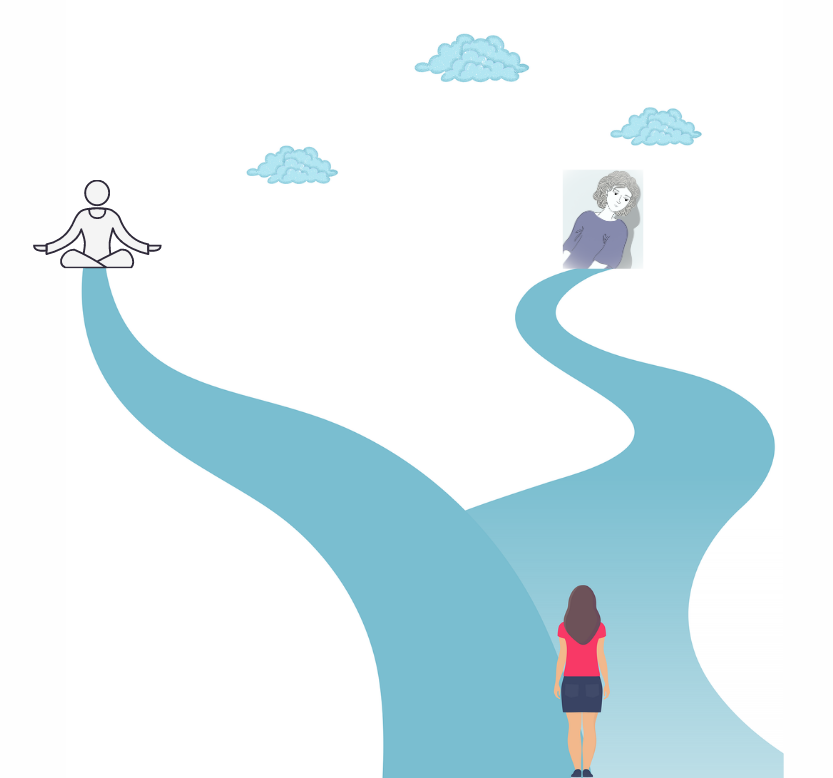
On my journey to wellbeing I have noticed that my good intentions rarely materialise because I decide other activities are more important. For example spending an hour in the morning just on myself doing things for my own benefit such as a bit of exercise, meditation, reading or writing journals, quite frequently is replaced with doing some housework, researching my latest craft venture, checking emails, online banking, there are endless options. These ‘distractions’ are important too, I tell myself, getting them done makes me feel like I’ve accomplished something, and they do need to be done. But am I fooling myself? Yes, they are necessary tasks, but not instead of the hour I planned for myself. I realise I am making excuses not to do what I intended, the question is why? There seems to be some resistance to my self-care plan, so why do I resist something that will be good for me? This is where I need to find the answers in order to put my needs first. First we’ll look at the difference between distraction and resistance:

Distraction

Distraction refers to a state of being pulled away or diverted from a task or focus of attention. It involves interference or interruption that hinders one’s ability to concentrate on a particular activity or thought. I’m talking about self-distraction here, not from outside influences such as children, pets, partners, friends or work colleagues. Some of our distractions could be in the form of habitually scrolling through social media, starting a new hobby or project or choosing an easier task to do.    These activities provide an escape from the stresses of daily life but prevent us from making valuable progress on a personal level. 

Resistance

Resistance, can refer to the subconscious avoidance of facing uncomfortable thoughts, emotions, or situations. While it might seem counterintuitive, engaging in self-distraction often stems from our resistance to confronting certain aspects of our lives. So even though we really want to do things to improve our mental, emotional and physical health the reality can be scary. Believe it or not, staying with what we are familiar with, even things that make us unhappy, can be comfortable because it has become a habit and change is not comfortable and more importantly it requires an amount of effort on our part. Change means stepping into the unknown and the excitement of self improvement is outweighed by the uncertainty of what the outcome may be. There are lots of reasons why positive improvements can feel negative, such as how the new improved you may be received by others, feeling guilty spending time on yourself instead of serving others, not being worth it or letting go of the unhealthy habits that we enjoy. Here’s a closer look at how self-distraction and resistance are interconnected:

The Illusion of Productivity

Engaging in seemingly productive activities, like cleaning your house from top to bottom or meticulously organizing your closet, can offer a convincing illusion of accomplishment while deflecting your attention from more pressing matters. I am guilty of doing this, I may be looking for a pen to start writing a journal and end up clearing a drawer out in the process leaving no time for my intended task. I definitely feel better if I’ve decluttered a drawer and it makes life easier looking for things afterwards BUT I’ve avoided doing the thing that could have been even more beneficial to me.

Avoidance of Uncomfortable Emotions

Resistance thrives on avoiding discomfort. When we bury our heads in our smartphones or immerse ourselves in video games, we effectively dodge the uncomfortable emotions we might be experiencing. Rather than confronting our feelings of anxiety, stress, or sadness, we choose to escape into a virtual world where these emotions seem temporarily distant. I can be reading a self-help book enthusiastically and then an idea pops into my head, usually inspired from the book initially, but this ‘idea’ takes me away from finishing the book and following the exercises. It could be wanting to buy copies for friends or a new journal to work through it for example, so I start looking online and then I’m lost in a world of distractions and don’t get back to my book and avoid doing any of the self-help exercises.

Subconscious Fear of Change

Sometimes, resistance originates from an unconscious fear of change. Starting a new project or addressing personal challenges can be daunting, as they often require stepping out of our comfort zones. In these moments, the allure of self-distraction can become almost irresistible, allowing us to stay within the confines of what we know, even if it’s not serving our growth.

I initially started this blog to record my journey to healing and wellbeing and to share all the ideas, experience and knowledge I have. I don’t have any problem sharing and you’ll find lots of useful articles here on self-care, self-love and healing etc. But my initial intention of leading by example by practicing what I preach didn’t get very far. Even though I know that putting myself first is essential to my wellbeing, I have resisted in doing so in the belief that life is full of distractions and setbacks. SO now I ask myself ‘what are my fears?’ Is it the fear of failure, the fear of change? I will be addressing this in my personal blog because I have actually been making some improvements in my health but I fear that I won’t succeed and that will not help other people. It’s time for a change!

Where to Start

The Power of Self-Awareness

Recognizing self-distraction as a form of resistance is the first step towards breaking free from its grip. Cultivating self-awareness allows us to identify the moments when we’re using distractions to avoid facing uncomfortable truths. Instead of succumbing to resistance, we can choose to lean into discomfort, acknowledging our feelings and addressing the root causes.

Embracing Mindfulness and Reflection

By fostering mindfulness and practicing self-reflection, we can dismantle the cycle of resistance. Mindfulness encourages us to be present in our emotions and experiences, making it harder for resistance to gain a foothold. Self-reflection helps us identify the patterns of distraction we engage in and empowers us to take intentional steps towards personal growth.

In conclusion, self-distraction isn’t always the harmless escape it appears to be. It often serves as a subconscious form of resistance, deterring us from facing uncomfortable emotions and avoiding necessary change. By recognizing this connection and practicing self-awareness, mindfulness, and reflection, we can break free from the cycle of resistance and move towards a more authentic, empowered, and growth-oriented life.
Thank you for reading my article. I cover a range of subjects from my work as a complementary therapist, personal experiences and interests.

Thank you for taking the time to read my post. If you like this article please take look at some of my other pages or blog posts where I talk about different therapies and my own wellbeing journey and if you’d like to see future posts then please enter your email address and click on the subscribe button below and you will be notified of future content. I have no plans to use your email address for any other purpose. Feel free to share my page with anyone you feel may be interested and if you have any feedback about what I write or suggestions for further articles then please use the comment box further down the page. Warmest Wishes, Janet x

Thank you for taking the time to read my post. If you like this article please take look at some of my other pages or blog posts where I talk about different therapies and my own wellbeing journey and if you’d like to see future posts then please enter your email address and click on the subscribe button below and you will be notified of future content. I have no plans to use your email address for any other purpose. Feel free to share my page with anyone you feel may be interested and if you have any feedback about what I write or suggestions for further articles then please use the comment box further down the page. Warmest Wishes, Janet x

Details

https://www.solistic.fr/

Images that I haven’t taken myself are from pixabay.com, unsplash.com or pexels.com.
Self-Limiting Beliefs

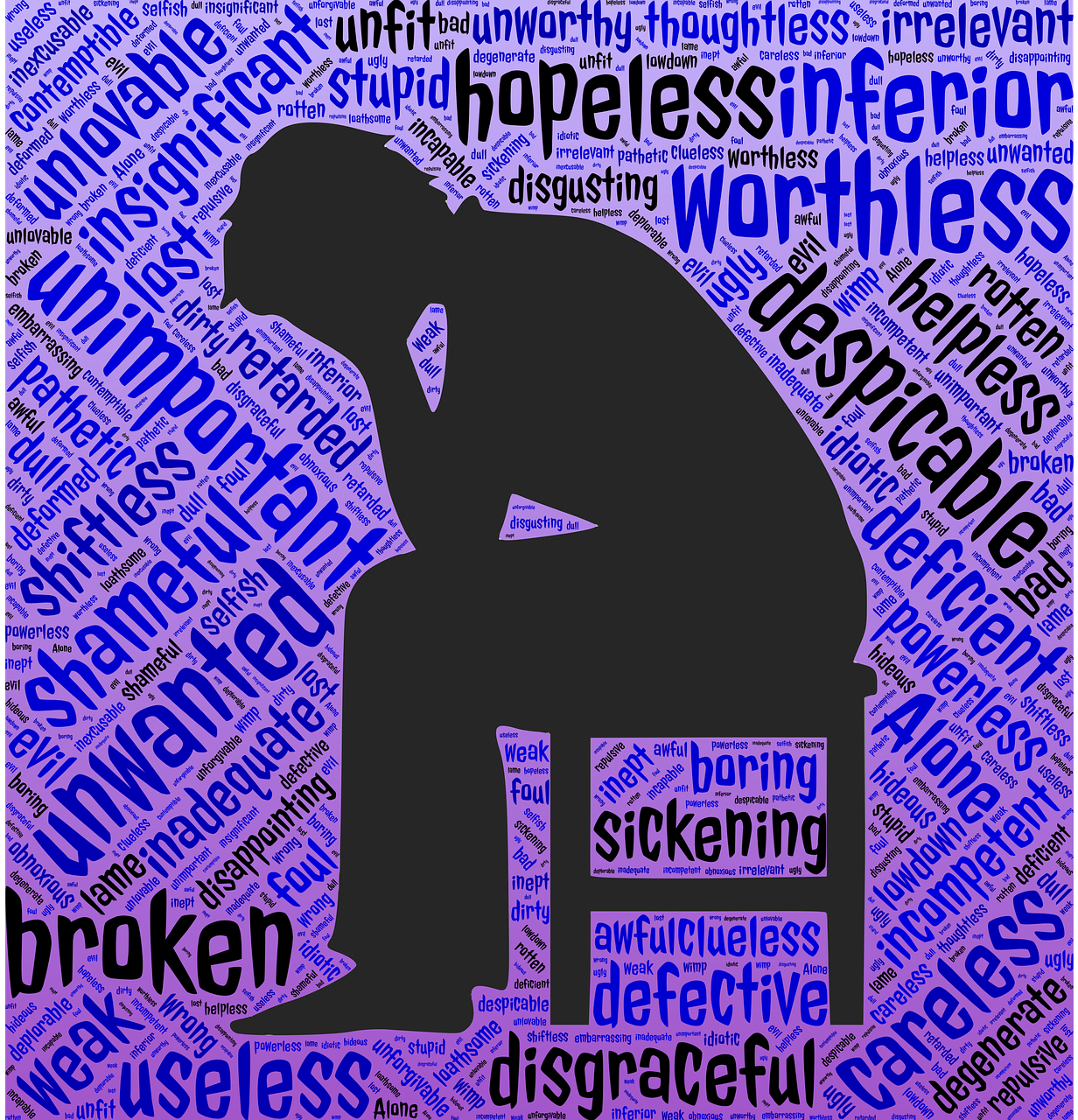
Self-limiting beliefs are the negative perceptions we have about ourselves that hold us back from succeeding in life because we don’t believe we can achieve what we desire.  The things we repeatedly think and say leave an imprint on our subconscious mind that affect the way we behave.  Also, the negative experiences we have had, can lead us to expect the same thing to happen again in similar situations.  Some of the reason we develop these self limited beliefs are explained below.

CHILDHOOD

Being teased as a child may have embarrassed and shamed you.  Even if it wasn’t meant to harm you it could lead you to avoid trying something again in case it you get teased again and those negative feeling return.  

  • A child putting their hand up in class to answer a maths question after completely misunderstanding the question and feeling a fool for getting it wrong could end up with them believing they were no good at maths leading to a complete block in understand any future lessons.  In adulthood they may avoid careers that involves working with numbers because they believe they are no good with them.    
  • At about six years I old was laughed at by the whole class when I cried during a music lesson, the children and the teachers assumed I was crying about the song we were singing and all laughed and mocked me for being so silly, the truth was at the time I didn’t even realise I was crying and it definitely wasn’t about the song.  Every time we sang the song after that they would all tell me not to cry.   This contributed to me being a very shy child who could never show feelings.  In adulthood I hated crying in front of anyone and would avoid situation that may result in it because I couldn’t handle other people response to it, even worse I would repress my feelings and act like I didn’t care. 

Neglect and abuse has a serious detrimental effect on how children feel about themselves; from being physically or mentally abused by caregivers to being bullied and isolated by their peers.   They may believe they are not as good as other people, that they don’t deserve to be happy or loved and this could lead toxic relationships in adulthood or avoiding relationships altogether.   Even if you forget these events from early childhood and grow to be confident and happy, you may encounter situations where you feel uncomfortable and anxious without knowing why leading you to have doubts about your ability to maintain a relationship or fit into social circles.

This is a vast and complicated area, you can imagine many scenarios and how they can impact personal development.  In serious situations, a professional councillor or psychologist may be needed to help identify and overcome the underlying issues.   In less serious situations such as shyness and low self-esteem there are many resources you can use to help yourself, such as meditation, self-hypnosis, emotional freedom technique, to name just a few.

Social Conditioning

You may come from a background of poverty where it is considered normal to struggle through life making ends meet.   You’re taught not to expect more from life so you don’t even dream of a better life because the people you know and love are all in the same situation as you.  You could have been told you are ‘getting above yourself’ for daring to imagine being successful or gaining a better quality of life, this can come from other people’s self-limiting beliefs or from them not wanting you to rise above your situation because you will leave them behind or make them feel like a failure.   An example of this could be a family who relies on benefits and knows the system inside out because that is what they grew up with and they pass on the knowledge to their children as a means to survive.  Or a working class family who has not had the benefit of quality education believing that they are not clever enough to go on to higher education and better their careers.

From a personal point of view, no one told me that I wouldn’t be successful etc. but I wasn’t encouraged to do better either.  Because I was painfully shy at school, the teachers assumed I was stupid and didn’t attempt to bring me out of my shell or help me with my work, I was sent to remedial lessons because they though I was a slow learner.  When I went on to high school I just assumed I would be in the bottom class but when we were graded I was put in one of the top classes which was a huge surprise to me and my parents.   It just shows how you can accept who you think you are by the way people treat you.

NEGATIVE SELF-TALK

We are all guilty of putting ourselves down, we are our worst critics and see flaws in ourselves that no one else would notice.  Some of the things we say that hold us back are:

  • I’m not good enough, not clever enough, pretty enough, fit enough – not enough
  • I don’t belong
  • I’ll never be able to do that
  • I’m stupid for making that mistake
  • I haven’t got the time
  • I’m too fat or unfit
WHAT YOU BELIEVE YOU CAN ACHIEVE

What you think about and focus your attention on, you get more of.   So, if you constantly tell yourself that you are not good enough, will never have something, can’t do that etc. you are convincing yourself of that and instilling deep beliefs about yourself.  I remember as a child my mum always used to say ‘There’s no such thing as can’t!’ I didn’t really understand it at the time but now I believe if you really want to achieve something enough and believe in yourself you can achieve it.   It requires a positive mindset to keep motivated though. 

RECOGNISE THAT NEGATIVE VOICE

I always wanted to write but couldn’t decide what to write about and ‘my negative voice’ told me that no one would want to read what I had to say anyway, I didn’t have the time and would never be successful etc.   Having these beliefs prevented me from going further than writing a few pages.  Recently though, I thought about this negative self-talk and how I’m my own worst critic and bully, and realising that no one could say anything about me that I hadn’t already said to myself seemed to empower me.  As soon as you notice negative thoughts taking over your mind you can take steps to control it.

BE YOUR OWN CHEERLEADER

Recognise when the negative voice starts and stop and think about what you would say to a friend in the same situation, would you say the same to them or would you highlight the things they have achieved and the talents and knowledge they already have and encourage them to just ‘do it anyway’?  Why not try doing that for yourself?  The more you practice the easier it will be to be kind and supportive to yourself.

Recently a short video popped up on my YouTube feed about the ‘5 second Rule’ by Mel Robbins. It is a very simple method of counting backwards from five to stop the negative thoughts and habbit’s that prevent us moving forward and achieving our goals, I will be writing more about this in my blog but its worth taking a look at the video and giving it a try.

OVERCOMING SELF DOUBT

It may not be easy for everyone to just start being more positive, depending on you level of self esteem you may need more than an encouraging voice.   The first step is to identify your limiting beliefs in the first place and find a way to change that belief.   There are many self-help books and methods out there to help you but maybe just try the following first:

  • Identify the self-limiting belief, write down what it is you believe and why.
  • Think about if you really believe these things, are they logical or are using them to make excuses. Is there something you can do to change this belief like take and course in something, practice a skill etc.
  • Try to imagine you were encouraging a friend to change the way they think about themselves and imagine someone you believe in saying them to you.
  • For every negative belief, think of a positive response e.g. ’I always fail exams’ – ‘so far I haven’t passed an exam but that doesn’t mean I never will’
  • When you notice your negative thinking, STOP and Be loving and kind to yourself
  • Use affirmations about what you would like to do, be, achieve etc.

These are just a few examples and there are many self-development and healing systems you can use to help to such as EFT, The Emotion Code and The Law of Attraction (Manifestation).

I hope you found this article interesting and useful. Please take look at some of my other pages or blog posts where I talk about different therapies and my own wellbeing journey. If you’d like to see my future content then please enter your email and press subscribe below and you will be alerted when I publish anything new. Thank You for taking the time to read this. Until next time, I wish you all the very best. Janet x

https://www.solistic.fr/

Images that I haven’t taken myself are from pixabay.com, unsplash.com or pexels.com.

What’s Love got to do with it?

What is Love and Why is Self-Love Important?

You’ve probably heard the phrase ‘Love makes the world go round’. But have you ever paused to consider what is love and why does it matter? More importantly, why is self-love so essential to our wellbeing and relationships?

What is Love?

“Love” is a complex and multifaceted emotion, often described as a deep affection, care, and attachment to someone or something. It can manifest in various forms and intensities, and its meaning can vary depending on the context. Love is an essential aspect of human experience and plays a central role in our relationships, personal development, and overall well-being.

There are many forms of love, here are a few of the most commonly recognised types:

  • Romantic Love: This is the passionate, affectionate love typically associated with romantic relationships. It involves intense emotions, physical attraction, and a deep connection between two people.
  • Platonic Love: This is a type of love that is purely based on friendship and does not involve romantic or sexual attraction. It is characterized by a strong emotional bond, trust, and companionship. It’s characterized by mutual respect, shared interests, and emotional support.
  • Familial Love: This is the love between family members. It includes the love between parents and children (parental love), between siblings (sibling love), and among extended family members.
  • Parental Love: Parental love is the deep and nurturing love that parents have for their children. It often involves sacrifice and a strong desire to protect and care for one’s offspring.
  • Spiritual Love: Spiritual love is associated with a sense of connection to something greater than oneself, often associated with religious beliefs. It is love is a love that transcends the physical and material world. It also involves a deep and compassionate love for all people, regardless of their actions or characteristics.
  • Self-Love: Self-love is the love and acceptance of oneself. It is important for a healthy self-esteem and overall well-being.

Love is a profound emotion that includes a variety of different feelings, states, and attitudes. However, before you can successfully love others, you must first learn to love yourself. This is where self-love comes into play.

The Importance of Self-Love

Consciously recognizing your worth and focusing on your happiness and wellbeing is vital to your overall health. Self-love is not just about pampering oneself with materialistic pleasures, but it’s also about caring for one’s mental health, self-growth, and sense of happiness.

So, why is cultivating self-love important?

Boosts Mental Health

Your mental wellbeing goes hand in hand with self-love. When you love yourself, you accept your imperfections. This acceptance leads to fewer comparisons with others, which often results in a significant improvement in mental health.

Strengthens Relationships

Love has a ripple effect. When you practice self-love, it reflects in your relationships. It sets a standard for how others should respect and treat you. In turn, it helps develop healthier relationships with your loved ones.

Leads to Success

A high degree of self-love leads to greater motivation to achieve your personal and professional goals. When you value yourself, you are more likely to strive for success.

How to Cultivate Self-Love

Cultivating self-love is an ongoing journey, not a destination. Here are some steps you can take:

  • Acceptance: Accept your flaws and appreciate your strengths.
  • Self-care: Take care of your health – physical and mental.
  • Boundaries: Learn to say ‘no’ when something conflicts with your wellbeing.

Thank you for reading my article. I cover a range of subjects from my work as a complementary therapist, personal experiences and interests.

Thank you for taking the time to read my post. If you like this article please take look at some of my other pages or blog posts where I talk about different therapies and my own wellbeing journey and if you’d like to see future posts then please enter your email address and click on the subscribe button below and you will be notified of future content. I have no plans to use your email address for any other purpose. Feel free to share my page with anyone you feel may be interested and if you have any feedback about what I write or suggestions for further articles then please use the comment box further down the page. Warmest Wishes, Janet x

Thank you for taking the time to read my post. If you like this article please take look at some of my other pages or blog posts where I talk about different therapies and my own wellbeing journey and if you’d like to see future posts then please enter your email address and click on the subscribe button below and you will be notified of future content. I have no plans to use your email address for any other purpose. Feel free to share my page with anyone you feel may be interested and if you have any feedback about what I write or suggestions for further articles then please use the comment box further down the page. Warmest Wishes, Janet x

https://www.solistic.fr/

Images that I haven’t taken myself are from pixabay.com, unsplash.com or pexels.com.
Expectations & Limitations

Do you find yourself imagining the worst case scenario for an upcoming situation or event?

  • Self-Protection: Some people may expect the worst as a way to protect themselves from potential disappointment or hurt. They might believe that if they prepare for the worst-case scenario, they’ll be less devastated if it actually happens.
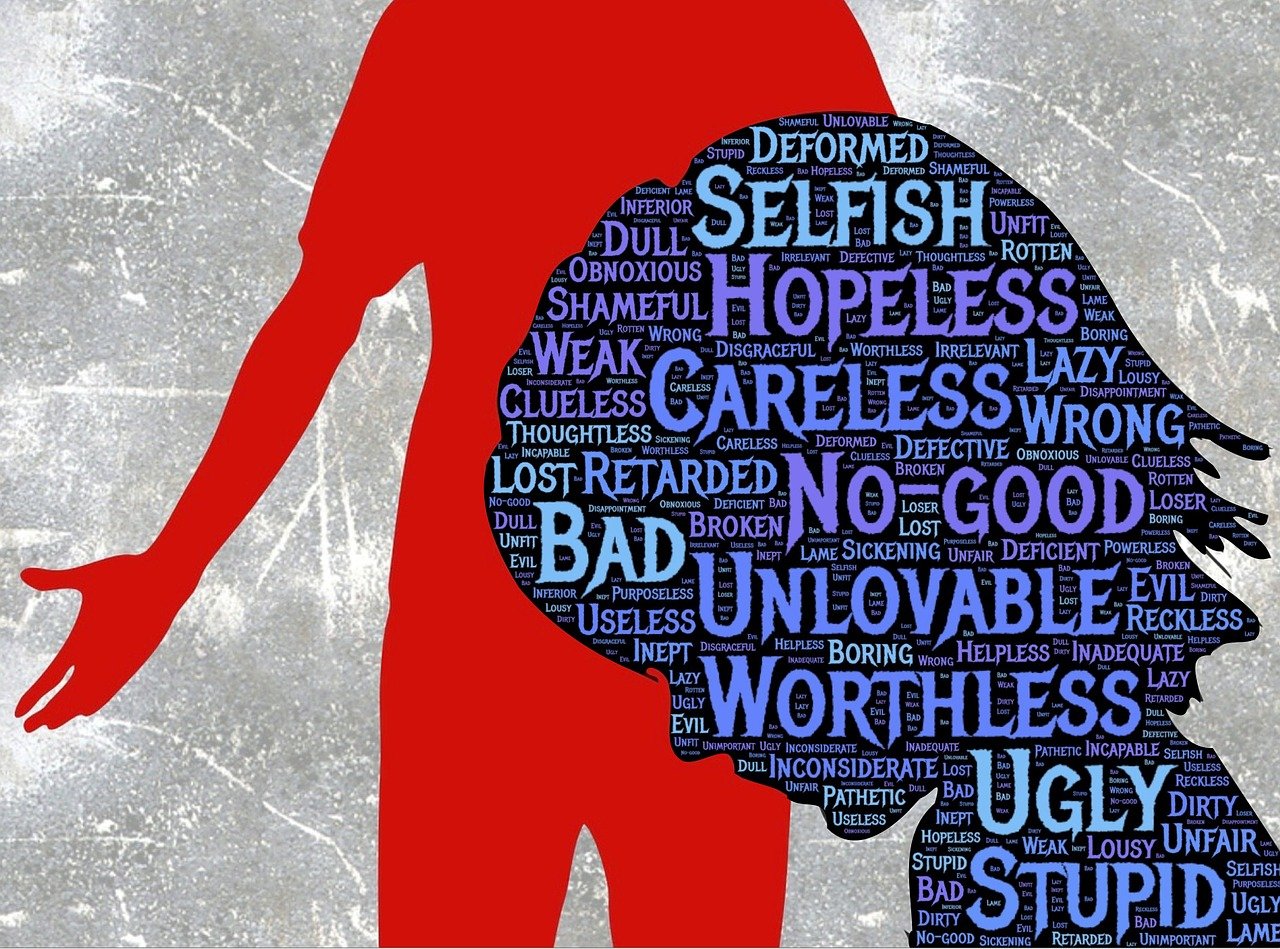
  • Past Experiences: Negative past experiences can shape our expectations. If someone has experienced disappointments or failures in the past, they might develop a belief that similar negative outcomes are more likely to happen in the future.
  • Anxiety and Fear: Anxiety can cause people to focus on negative outcomes and potential dangers. This can result in a habit of expecting the worst.
  • Social and Media Influences: Media outlets often highlight negative news stories, which can contribute to a belief that the world is more dangerous or problematic than it actually is. Negative comments on news stories and social media posts impact our mental and emotional well-being, potentially reinforcing negative thinking patterns and affecting our overall outlook. Social influences from friends, family, or society at large can also shape negative expectations.

  1. Challenge Negative Thoughts: When you catch yourself expecting the worst, consciously challenge those thoughts. Ask yourself for evidence supporting the negative expectation and evidence against it. This can help you see that the worst-case scenario is often less likely than you think.
  2. Focus on Realism: Strive for a realistic outlook. Consider both positive and negative outcomes, and weigh the probabilities of each. This balanced approach can help you avoid assuming the worse outcome.
  3. Practice Mindfulness: Mindfulness involves being present in the moment without judgment. By practicing mindfulness, you can become more aware of your thought patterns and choose to redirect negative thinking towards more balanced perspectives.
  4. Gratitude Practice: Regularly practice gratitude by acknowledging the positive aspects of your life. This can help counteract the tendency to focus solely on negative possibilities.
  5. Visualize Positive Outcomes: Instead of dwelling on negative scenarios, deliberately visualize positive outcomes. This can help rewire your brain to expect more favourable results.
  6. Limit Negative Media Consumption: Be mindful of the media you consume. Balance negative news with positive or uplifting content to maintain a more balanced perspective.

Changing negative thinking patterns takes time and effort. Be patient with yourself and celebrate small victories along the way. With consistent practice, you can gradually shift your mindset from expecting the worst to embracing a more positive and balanced outlook.

Thank you for reading my article. I cover a range of subjects from my work as a complementary therapist, personal experiences and interests.

Thank you for taking the time to read my post. If you like this article please take look at some of my other pages or blog posts where I talk about different therapies and my own wellbeing journey and if you’d like to see future posts then please enter your email address and click on the subscribe button below and you will be notified of future content. I have no plans to use your email address for any other purpose. Feel free to share my page with anyone you feel may be interested and if you have any feedback about what I write or suggestions for further articles then please use the comment box further down the page. Warmest Wishes, Janet x

Thank you for taking the time to read my post. If you like this article please take look at some of my other pages or blog posts where I talk about different therapies and my own wellbeing journey and if you’d like to see future posts then please enter your email address and click on the subscribe button below and you will be notified of future content. I have no plans to use your email address for any other purpose. Feel free to share my page with anyone you feel may be interested and if you have any feedback about what I write or suggestions for further articles then please use the comment box further down the page. Warmest Wishes, Janet x

https://www.solistic.fr/

Images that I haven’t taken myself are from pixabay.com, unsplash.com or pexels.com.

The Illusion of Perfection

I used to think of myself as a perfectionist.   I strived to do everything right.   I spent so much time paying attention to details that no one else would notice, but I would gain satisfaction from.   But the truth is there, was no reward and the satisfaction I felt was short lived as I still felt unfulfilled. In my work the perfection I strived for went unnoticed or expected but never acknowledged and I became exhausted and resentful.

I remember in my twenties I would write a lot, poems, reflections and thoughts I had on life and I’d come to some amazing revelations.  Unfortunately (or not), I can’t find any of the work I did even though I’m sure I put it somewhere safe.    I can remember some of the subjects, one was a really great poem about how unperfect perfection was, one was about love being the answer and the reasons for everything another was a poem entitled ‘Like coming out of a Coma’ relating to the awakening I had when I made the decision to get myself out of an abusive relationship.   Although I can no longer find this work, the messages stayed with me, maybe I don’t need the actual lessons again just the appreciation of the wisdom that came from them.

Perfection is what makes people comfortable but that ‘perfection’ may make others anxious because it doesn’t make them comfortable, because they don’t have the same likes and needs or they worry they won’t be able to meet the same standards.  So, perfectionism triggers insecurity, self-doubt and limiting beliefs leading to avoiding taking steps to achieve their own accomplishments.

There is nothing wrong in trying to do your best and improving yourself, your abilities, your behaviour, your outlook, anything.  This is how we grow.   But there is no perfect outcome.   There doesn’t need to be.   It can feel perfect at the time because you have achieved what you want BUT that is what it is . . . just a feeling . . . Perfection is a feeling and feelings are fluid, they change just like everything else in this world.   So, what is right for you now, won’t be the same for you in another time or situation.  

This is why we shouldn’t try to recreate the past because it can lead to disappointment.  We can look back at what we learned and remember the good times, the good feelings but trying to recreate them exactly is impossible.   That’s why it’s not really unfortunate that I can’t find the work I did 30 years ago, I am not the same now, I’ve done so much work and been through so much more, good and bad situations since then, that what I discovered as a major realisation then will not have the same impact on me now, and worse – if I was to find this work that I created and believed was some kind of epiphany, it could quite possibly be extremely disillusional and even cause me to doubt my own abilities of perception.

Imperfection can teach us so much too, it can teach us acceptance, it can motivate and inspire us to try new things, new ways of doing and being and to be content with what we have achieved.   We learn from our mistakes. So lets enjoy not being perfect!

Thank you for reading my article. I cover a range of subjects from my work as a complementary therapist, personal experiences and interests.

Thank you for taking the time to read my post. If you like this article please take look at some of my other pages or blog posts where I talk about different therapies and my own wellbeing journey and if you’d like to see future posts then please enter your email address and click on the subscribe button below and you will be notified of future content. I have no plans to use your email address for any other purpose. Feel free to share my page with anyone you feel may be interested and if you have any feedback about what I write or suggestions for further articles then please use the comment box further down the page. Warmest Wishes, Janet x

Thank you for taking the time to read my post. If you like this article please take look at some of my other pages or blog posts where I talk about different therapies and my own wellbeing journey and if you’d like to see future posts then please enter your email address and click on the subscribe button below and you will be notified of future content. I have no plans to use your email address for any other purpose. Feel free to share my page with anyone you feel may be interested and if you have any feedback about what I write or suggestions for further articles then please use the comment box further down the page. Warmest Wishes, Janet x

https://www.solistic.fr/

Images that I haven’t taken myself are from pixabay.com, unsplash.com or pexels.com.
Mindfulness and Living in the Present

You might have heard these terms before, but what do they really mean? And why are they important for your well-being?

What is Mindfulness?

Mindfulness is the practice of paying attention to your thoughts, feelings, sensations and surroundings in the present moment, without judging them as good or bad. It’s a way of being aware of what’s happening inside and outside of you, without getting caught up in the past or the future.

What does it mean to Live in the Present?

Living in the present is the result of being mindful. It means focusing on what you are doing right now, rather than worrying about what might happen later or regretting what happened before. It means enjoying the simple pleasures of life, such as a beautiful sunset, a warm hug or a delicious meal.

What are the benefits of Mindfulness and Living in the Present?

  • It can reduce stress and anxiety by helping you cope with challenging situations and emotions.
  • It can improve your mood and happiness by making you more grateful and optimistic.
  • It can enhance your relationships by making you more attentive and empathetic.
  • It can boost your creativity and productivity by helping you focus and solve problems.

How can you practice mindfulness and living in the present?

You may find it difficult to completely focus on the present, we all have that internal voice that keeps reminding us of past events or concerns about the future.

Here are a few ways you can practice:

  • Start your day with a few minutes of meditation. You can use an app, a guided audio or just sit quietly, paying attention to your breath.
  • Throughout the day, check in with yourself and notice how you are feeling and what you are thinking. Don’t judge or criticize yourself, just be curious and compassionate.
  • Whenever you find yourself distracted by the past or the future, gently bring your attention back to the present. You can use a mantra, a word or a phrase that helps you stay focused, such as “here and now” or “this too shall pass”. Another way to stop the flow of thoughts is to silently say to yourself ‘what is my next thought going to be?’ This interrupts the thought pattern and puts you in the present.
  • Try to do one thing at a time and give it your full attention. Whether it’s eating, working, reading or talking to someone, be fully engaged and avoid multitasking.
  • Find opportunities to appreciate the beauty and joy of the present moment. You can spend more time in nature, keep a gratitude journal, take photos of things that make you smile or share your positive experiences with others.

Little by Little

It’s not necessary to be mindful all the time, or even possible unless you are a Buddhist monk and even then I’m not so sure. We make plans for the future and learn from the past. However, the more you practice then the more you will enjoy the benefits and find it more natural to be mindful and present. You will become more aware when your mind is racing and observe your thought patterns and how they are making you feel, which in turn will make it easier to use some of the methods above.

Even if you only find ten minutes a day to practice, you can benefit from it, you can practice it while you are in a traffic jam, waiting for an appointment, taking a shower and getting dressed. Making the effort to switch off your mind will give you a break from stress and anxiety, bring you peace and happiness and will make a big difference in your life. Give it a try!

Thank you for reading my article. I cover a range of subjects from my work as a complementary therapist, personal experiences and interests.

Thank you for taking the time to read my post. If you like this article please take look at some of my other pages or blog posts where I talk about different therapies and my own wellbeing journey and if you’d like to see future posts then please enter your email address and click on the subscribe button below and you will be notified of future content. I have no plans to use your email address for any other purpose. Feel free to share my page with anyone you feel may be interested and if you have any feedback about what I write or suggestions for further articles then please use the comment box further down the page. Warmest Wishes, Janet x

Thank you for taking the time to read my post. If you like this article please take look at some of my other pages or blog posts where I talk about different therapies and my own wellbeing journey and if you’d like to see future posts then please enter your email address and click on the subscribe button below and you will be notified of future content. I have no plans to use your email address for any other purpose. Feel free to share my page with anyone you feel may be interested and if you have any feedback about what I write or suggestions for further articles then please use the comment box further down the page. Warmest Wishes, Janet x

https://www.solistic.fr/

Images that I haven’t taken myself are from pixabay.com, unsplash.com or pexels.com.

STRAYING OFF THE WELLBEING PATH

When it comes to our wellbeing journey, we often start off with great enthusiasm and motivation. We set goals, make plans, and are enthusiastic about the positive changes we are about to make. However, as time passes, it can become challenging to maintain that same level of enthusiasm and commitment. We may encounter obstacles, face setbacks, or simply struggle to find the motivation to continue. This is when it becomes easy to give up on our wellbeing journey altogether. However, it’s important to remember that this struggle is normal and that giving up is not the answer.

We all have moments when we feel like we can’t keep going, that the effort required is too much, or that we will never reach our goals. The key to overcoming these moments is to understand why we feel this way and to find ways to push through the obstacles.    Here are a few examples of the struggles we come across and some suggestions of how to overcome them:

UNACHIEVABLE GOALS

One of the main reasons why we may struggle to maintain our wellbeing journey is that we set unrealistic expectations for ourselves.  We may want to lose a certain amount of weight in a short amount of time or feel like we should be able to stick to a strict diet and exercise regimen without fail.  When we fail to meet these expectations, we may feel like we have let ourselves down and give up on our goals altogether.

WHAT CAN WE DO?

To overcome this challenge, it’s important to set realistic expectations for ourselves. We should aim to make small, sustainable changes to our habits that we can maintain over time.  For example, instead of trying to completely overhaul our diet, we can start by incorporating more fruits and vegetables into our meals, drinking more water or reducing sugary snacks. By setting achievable goals, we can build momentum and confidence in our ability to make positive changes to our wellbeing.

LACK OF SUPPORT

Another reason why we may struggle to maintain our wellbeing journey is that we don’t have a support system in place. We may feel like we are alone in our efforts and that no one else understands what we are going through. This can make it difficult to stay motivated, especially when we encounter obstacles or setbacks.

WHAT CAN WE DO?

To overcome this challenge, we can seek out support from others who are on a similar journey or who have already achieved their wellbeing goals. This can be in the form of a support group, an accountability partner, or a coach or mentor. By having someone to share our struggles and successes with, we can feel more connected and motivated to continue our journey.

SETBACKS AND DISTRACTIONS

Finally, it’s important to recognise that setbacks and obstacles are a natural part of any wellbeing journey. We may experience a plateau in our weight loss, have a difficult time sticking to our exercise routine, or encounter unexpected life events that hinder our progress. In times like this, it’s important to remember that setbacks are not failures and to always be kind to ourselves.

WHAT CAN WE DO?

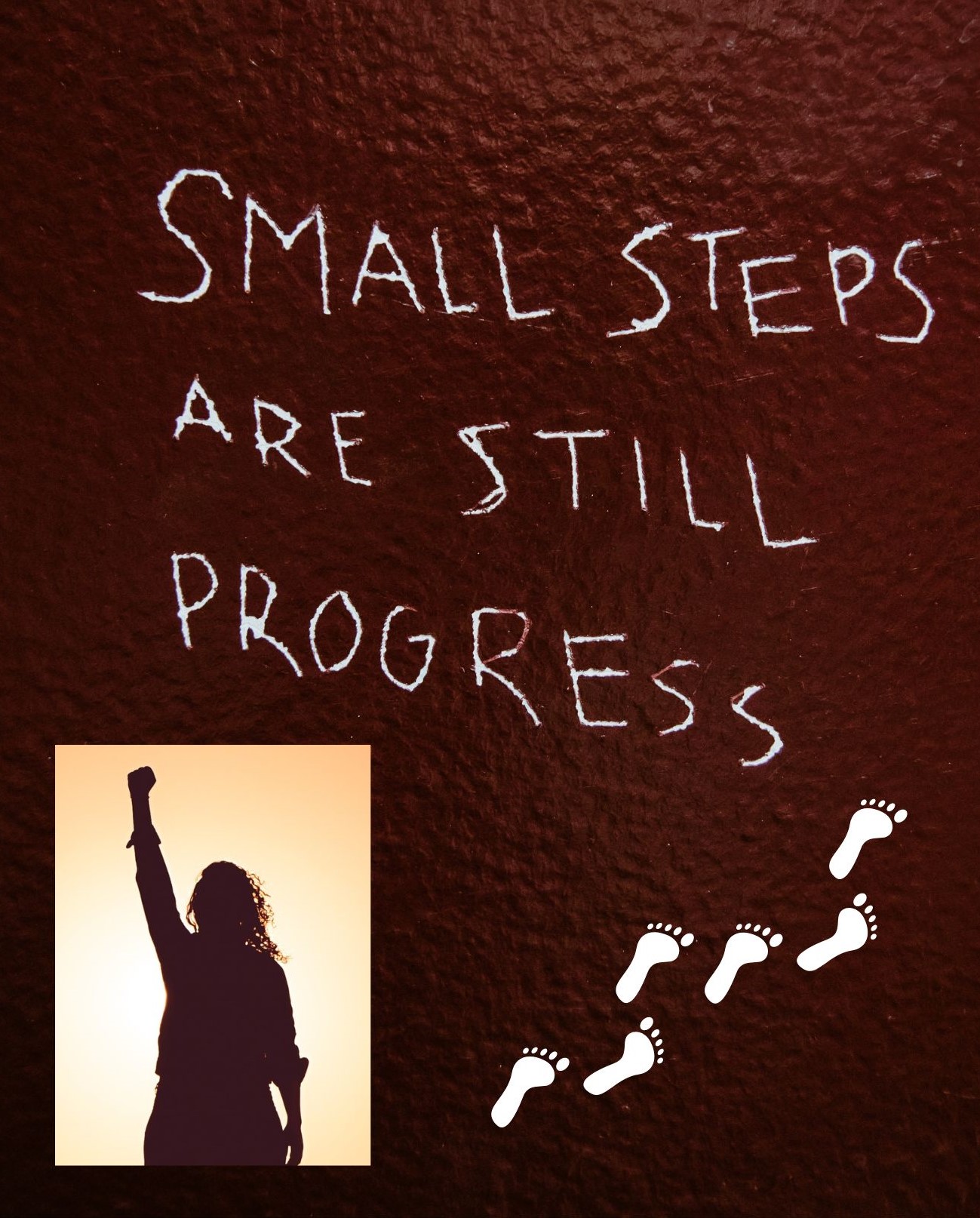
To overcome these challenges, we can focus on progress rather than perfection. We can celebrate small wins along the way, such as making healthier food choices or completing a challenging workout.  By focusing on progress, we can maintain our motivation and continue to move forward, even when we encounter setbacks.

In conclusion, the struggle to not give up on our wellbeing journey is real, but it’s important to remember that it’s a normal part of the process. By setting realistic expectations, seeking support from others, and focusing on progress rather than perfection, we can overcome these challenges and continue on our journey towards better health and wellbeing.

Thank you for reading my article. I cover a range of subjects from my work as a complementary therapist, personal experiences and interests.

Thank you for taking the time to read my post. If you like this article please take look at some of my other pages or blog posts where I talk about different therapies and my own wellbeing journey and if you’d like to see future posts then please enter your email address and click on the subscribe button below and you will be notified of future content. I have no plans to use your email address for any other purpose. Feel free to share my page with anyone you feel may be interested and if you have any feedback about what I write or suggestions for further articles then please use the comment box further down the page. Warmest Wishes, Janet x

Thank you for taking the time to read my post. If you like this article please take look at some of my other pages or blog posts where I talk about different therapies and my own wellbeing journey and if you’d like to see future posts then please enter your email address and click on the subscribe button below and you will be notified of future content. I have no plans to use your email address for any other purpose. Feel free to share my page with anyone you feel may be interested and if you have any feedback about what I write or suggestions for further articles then please use the comment box further down the page. Warmest Wishes, Janet x

https://www.solistic.fr/

Images that I haven’t taken myself are from pixabay.com, unsplash.com or pexels.com.
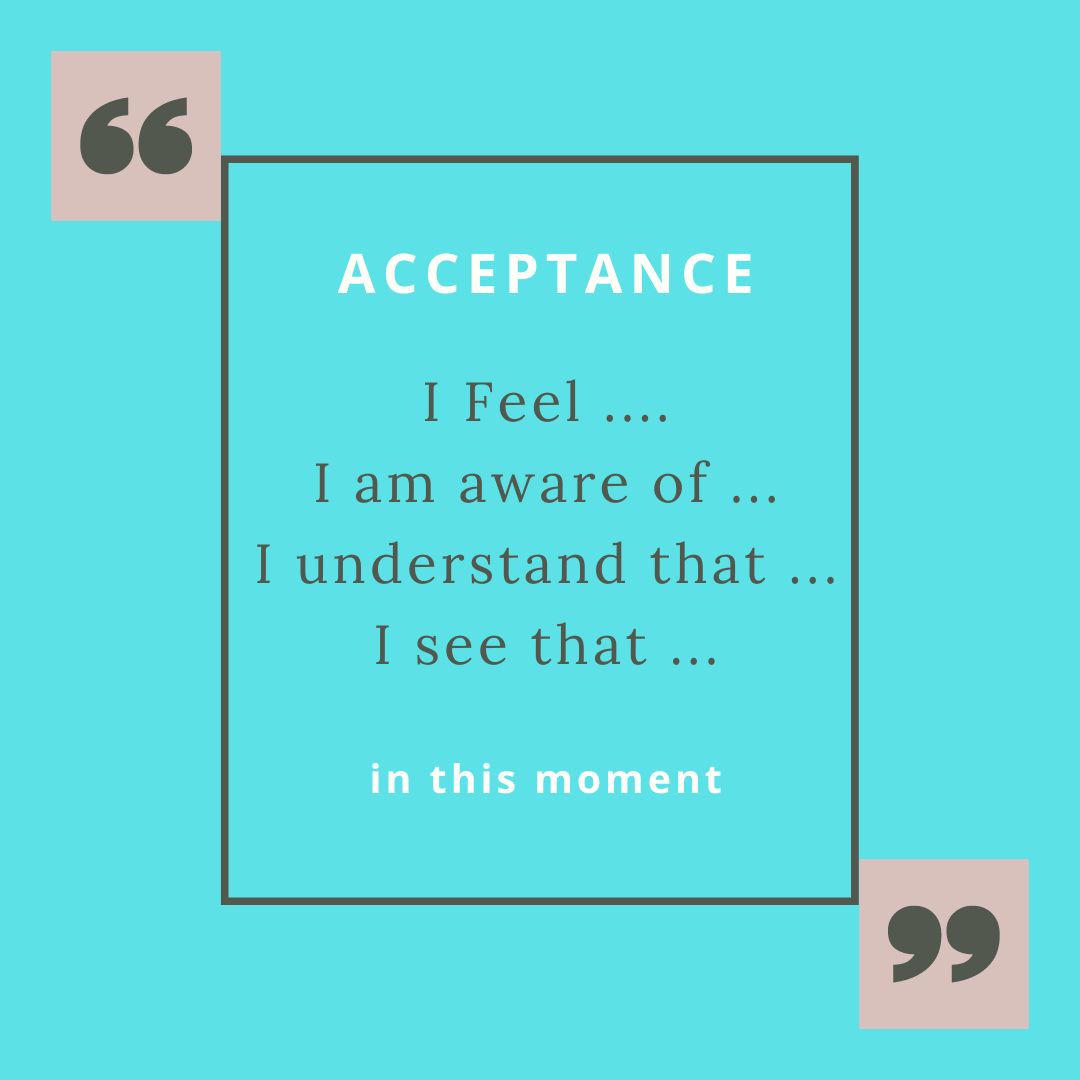
ACCEPTANCE IS BETTER THAN IDENTIFYING

Why we should not identify with negative feelings and situations

Our emotions can be incredibly powerful and sometimes overwhelming, influencing our thoughts, behaviours, and even our reality.  However, we have the power to control our emotions and not let them define our reality.

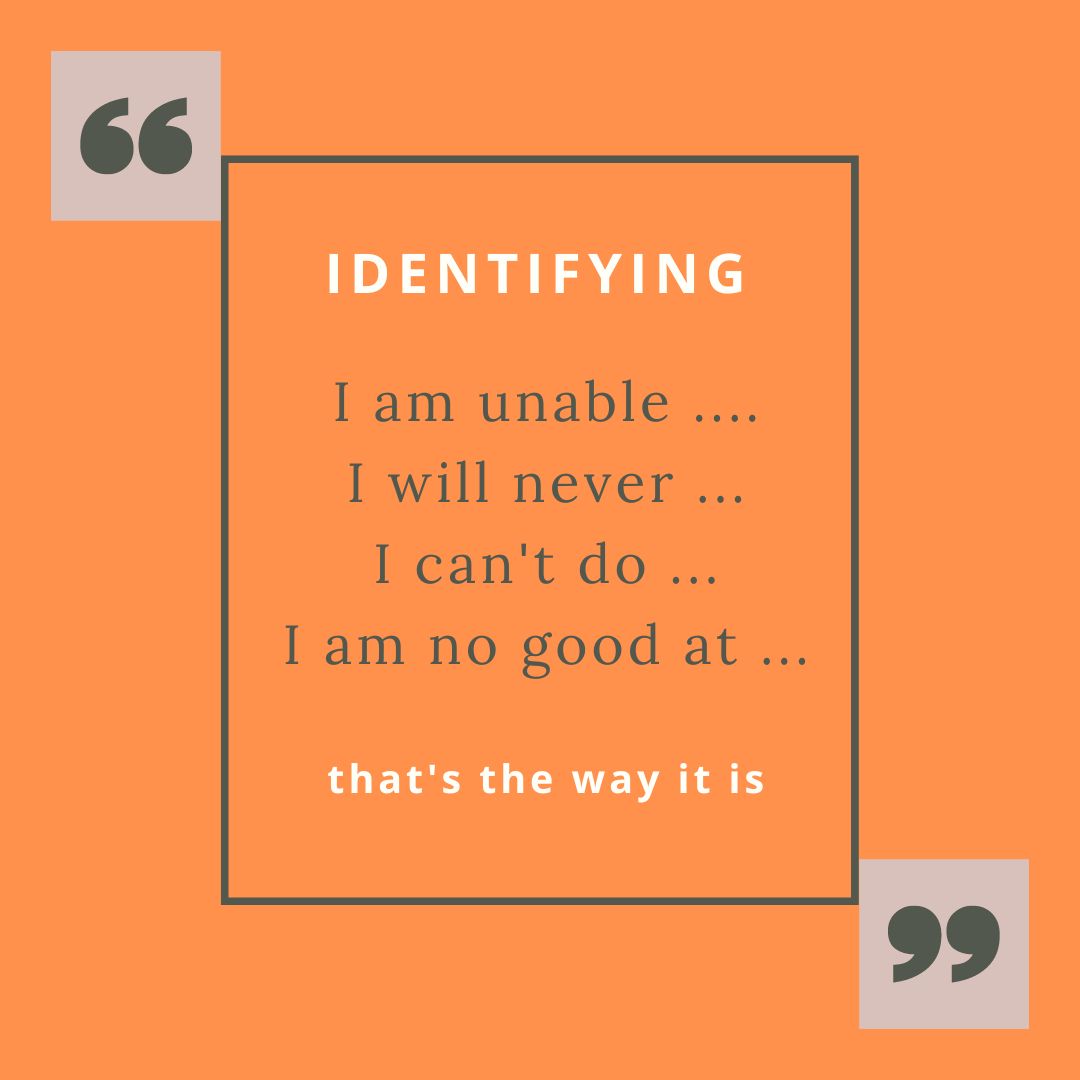
Identifying with negative feelings, such as anger, anxiety, or sadness, can be a natural response to difficult situations or experiences. However, it’s important to recognize that identifying with negative feelings can have negative consequences for our mental and emotional well-being.

Identifying with negative feelings can lead to a negative self-image. When we identify with negative feelings, we may begin to see ourselves as flawed or inadequate, which can eat away at our self-esteem and confidence. This can create a negative cycle, where we feel even more negative emotions and become more identified with them.

Identifying with negative feelings can also limit our ability to connect with others. When we are stuck in negative emotions, we can become isolated or withdraw from social interactions. This can make it difficult to build and maintain positive relationships with others.

We can also end up with a sense of powerlessness or helplessness. When we feel like we are defined by our negative emotions, we may believe that we have no control over our situation or our feelings. This can lead to a sense of hopelessness or resignation.

How does acceptance work in negative situations:

By practicing mindfulness and self-awareness we can accept that we have these feelings and thoughts and understand that there is a reason for them, without allowing them to become our reality. This involves observing our thoughts and emotions without judgment, and recognizing that they do not define us. We can also practice self-compassion and treat ourselves with kindness and understanding, even when we are experiencing negative emotions

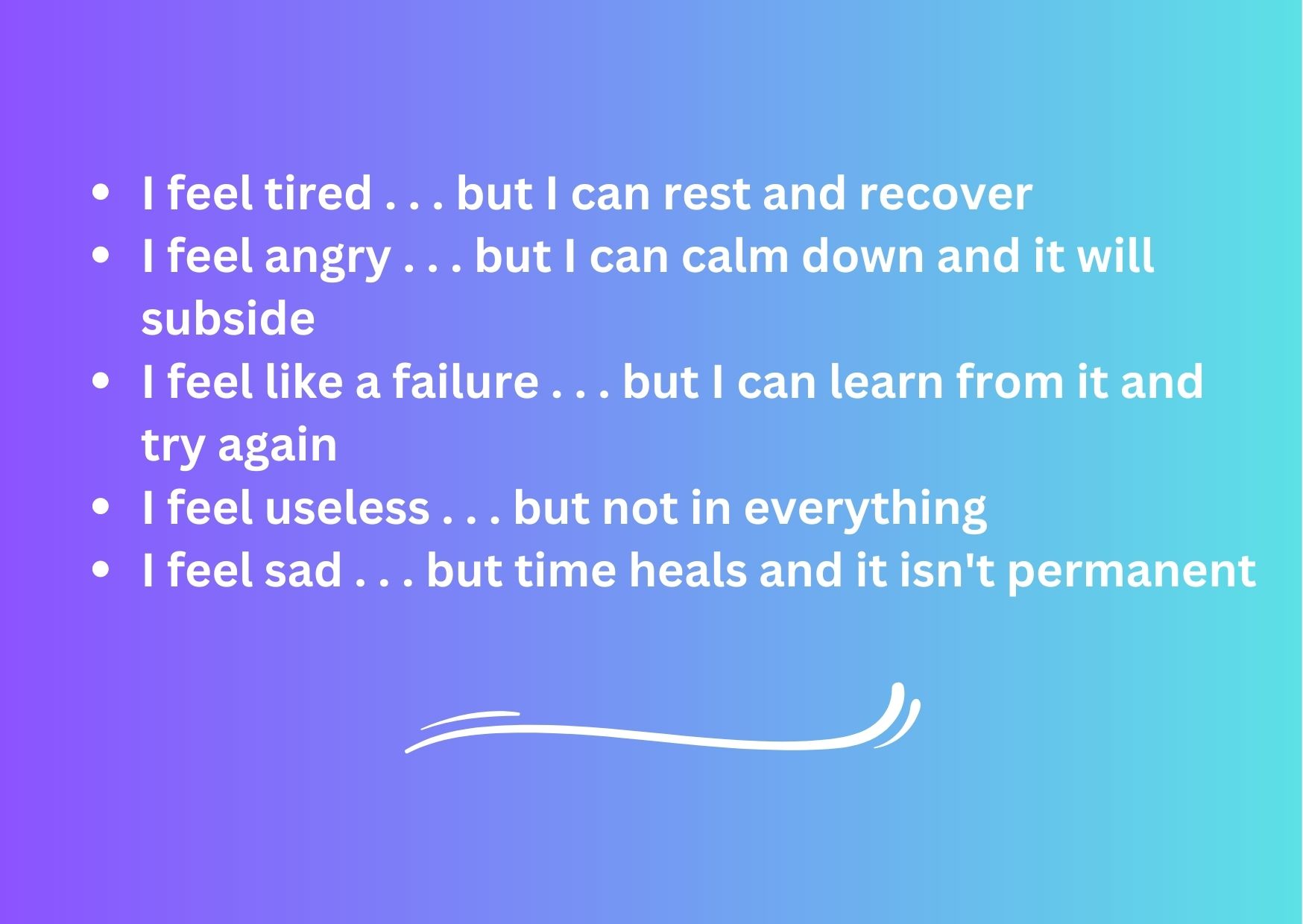
Change the dialogue of those negative feelings from ‘I am’ to ‘I feel’ like below:

  • I am tired
  • I am angry
  • I am a failure
  • I am useless
  • I am sad
  • I feel tired
  • I feel angry
  • I feel like a failure
  • I feel useless
  • I feel sad

Can you see the difference?

When you state ‘I am’ you are affirming with your subconscious mind that something is a fact . . . your reality.

However, when you state ‘I feel’ then you are still acknowledging the negativity BUT because you have accepted it as a feeling, there is room for change because feelings are temporary.

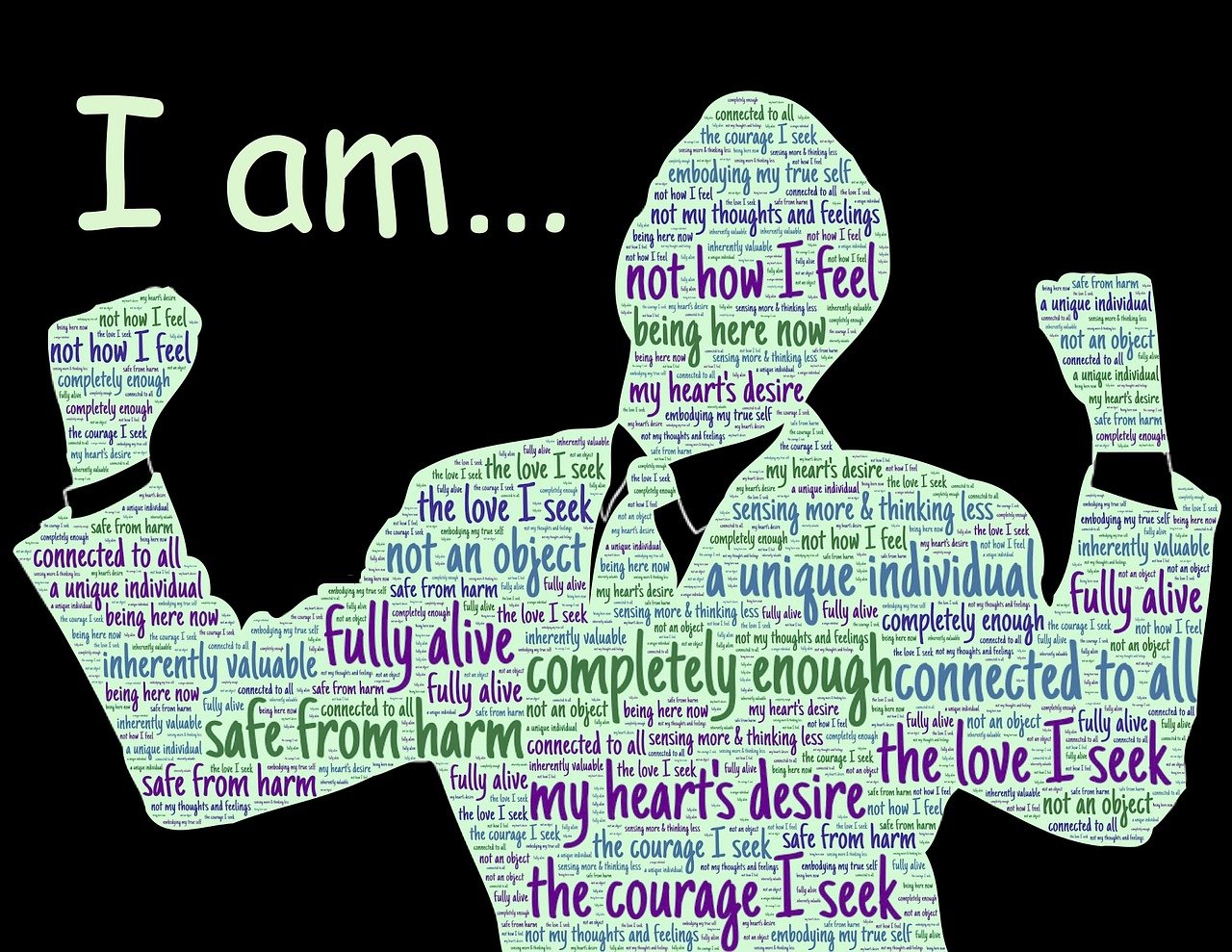
You can use ‘I am’ statements in a positive way as AFFIRMATIONS

An affirmation is a positive statement or declaration that is used to reprogram the subconscious mind with a new belief or attitude. It is a tool that can help to overcome negative thoughts and beliefs and develop a more positive mindset. Affirmations are written in the present tense and in a positive and specific manner. For example, “I am confident and capable” or “I am worthy of love and respect.” By repeating these statements to oneself regularly, you can start to internalize and believe them, which can lead to positive changes in their behaviour, emotions, and overall well-being.

By taking control of our emotions, we can change our reality and create a more positive and fulfilling life. We can improve our relationships with others, make better decisions, and feel more confident and empowered. It’s not always easy, but with practice and persistence, we can learn to manage our emotions and live a more fulfilling life.

Thank you for reading my article. I cover a range of subjects from my work as a complementary therapist, personal experiences and interests.

Thank you for taking the time to read my post. If you like this article please take look at some of my other pages or blog posts where I talk about different therapies and my own wellbeing journey and if you’d like to see future posts then please enter your email address and click on the subscribe button below and you will be notified of future content. I have no plans to use your email address for any other purpose. Feel free to share my page with anyone you feel may be interested and if you have any feedback about what I write or suggestions for further articles then please use the comment box further down the page. Warmest Wishes, Janet x

Thank you for taking the time to read my post. If you like this article please take look at some of my other pages or blog posts where I talk about different therapies and my own wellbeing journey and if you’d like to see future posts then please enter your email address and click on the subscribe button below and you will be notified of future content. I have no plans to use your email address for any other purpose. Feel free to share my page with anyone you feel may be interested and if you have any feedback about what I write or suggestions for further articles then please use the comment box further down the page. Warmest Wishes, Janet x

https://www.solistic.fr/

Images that I haven’t taken myself are from pixabay.com, unsplash.com or pexels.com.

THE POWER OF SURRENDERING

I’ve had a few challenges over the past few months:

  • Problems with inadequate hot water system and waiting for new heating system to be installed. Therefore I couldn’t have my relaxing hot baths to help with fibromyalgia pain and have to boil a kettle to wash greasy dishes.
  • I had a fall and injured my right shoulder which is still causing me pain, and for unknown reasons my left hip has been extremely painful so sleeping has been difficult and I haven’t been able to work.
  • I had a stressful time hiring a car on my trip to the UK, I won’t bore you with the details.
  • I had positive news at my follow-up appointment after the Cardiac Ablation procedure and they said I could come off medication but less than two weeks later my blood pressure was shot up and I was getting the occasional arrhythmia episode, so I’m back on the medication for the moment.
  • My washing machine and TV remote control broke down.
  • The heating installation finally happened but during the coldest spell of snow and ice, the original one was ripped out and the new one isn’t very warm.

I’m sure there have been more events but can’t remember everything, the thing is, I would normally have been very stressed over these events making my medical issues worse but this time I just went with the flow. It wasn’t intentional but I remained calm and carried on the best I could. I was thinking about this last night as people have been surprised at my positive attitude throughout. I realised that I had surrendered to the situations because they were out of my control so I had been in a place of acceptance and didn’t dwell on the negativity of it all. This made me think about how powerful it was to surrender.

Why is Surrendering a Good Thing?

Letting go of resistance

When we resist what is happening around us, we often create unnecessary stress and negative emotions. When we are constantly fighting against circumstances beyond our control, we can become overwhelmed and feel powerless. Surrendering helps to let go of this resistance and allows us to be more present and mindful in the moment. This can lead to a sense of peace and acceptance, which can be incredibly powerful in and of itself.

Focus on What you Can Control

Focussing on what you can control enables you to take action and put your energy towards making positive changes in your life.

Faith in the Universe

When we surrender and stop trying to control everything, we can start to trust that things will work out in the way they are meant to. This can lead to a greater sense of trust in the universe and in oneself and feelings of inner peace and tranquillity.

Opportunity for Growth

I’ve attended many personal development workshops and courses over the years including Buddhist Retreats and one thing the Buddhists taught me was to embrace difficult situations as a way to practice remaining calm amongst the chaos around you. We know that being stressed and angry doesn’t help matters and can even make them worse by causing more negative situations through our behaviour in those moments. By remaining calm we can think more clearly and feel more empowered because we are not letting them affect us negatively.

Not Giving Up

It’s important to note that surrendering doesn’t mean giving up, it means accepting reality and working with it. It’s about letting go of the need to control everything and instead, trusting the process and flow of life.

Action plan for Surrendering for Personal Growth:

Surrendering is a skill that takes time and practice to develop. It’s not something that happens overnight. Be patient with yourself and keep working on it, it can lead to significant personal growth and inner peace.

  • Recognize when you are resisting a situation or circumstance.
  • Remind yourself that resistance creates stress and negative emotions.
  • Practice mindfulness and focus on the present moment.
  • Let go of the need to control the situation and trust that things will work out as they should.
  • Accept the reality of the situation and work with it rather than against it.
  • Put your energy towards what you can control and make positive changes in your life.
  • Reflect on the experience and notice any changes in your mindset and emotions.
  • Repeat the process when faced with similar situations in the future.

Thank you for reading my article. I cover a range of subjects from my work as a complementary therapist, personal experiences and interests.

Thank you for taking the time to read my post. If you like this article please take look at some of my other pages or blog posts where I talk about different therapies and my own wellbeing journey and if you’d like to see future posts then please enter your email address and click on the subscribe button below and you will be notified of future content. I have no plans to use your email address for any other purpose. Feel free to share my page with anyone you feel may be interested and if you have any feedback about what I write or suggestions for further articles then please use the comment box further down the page. Warmest Wishes, Janet x

Thank you for taking the time to read my post. If you like this article please take look at some of my other pages or blog posts where I talk about different therapies and my own wellbeing journey and if you’d like to see future posts then please enter your email address and click on the subscribe button below and you will be notified of future content. I have no plans to use your email address for any other purpose. Feel free to share my page with anyone you feel may be interested and if you have any feedback about what I write or suggestions for further articles then please use the comment box further down the page. Warmest Wishes, Janet x

https://www.solistic.fr/

Images that I haven’t taken myself are from pixabay.com, unsplash.com or pexels.com.

The Most Important Relationship

When we think about relationships we mostly think externally about how we relate to others and forget the one we should be focussing on first:

Your Relationship with Yourself

Having a healthy relationship with yourself is essential for overall well-being and happiness. Many of us spend a lot of time focusing on our relationships with others, whether it be romantic partners, friends, or family members. However, it’s just as important to nurture and maintain a positive relationship with ourselves.
Awareness

One of the most important aspects of having a good relationship with yourself is self-awareness. This means being in tune with your thoughts, feelings, and behaviours, and understanding how they impact your life. It also means being honest with yourself about your strengths and weaknesses, and accepting yourself for who you are.

Self Care

Another important aspect is self-care. This includes taking care of your physical, emotional, and mental health. This can include things like exercise, eating well, getting enough sleep, and taking time to relax and de-stress. It also means setting boundaries with others and learning to say no when necessary.

Be Kind to Yourself

In addition to self-awareness and self-care, it’s also important to practice self-compassion. This means being kind and understanding towards yourself, even when you make mistakes or fall short of your goals. It’s important to remember that everyone makes mistakes and it’s a part of the learning process.

Building a positive relationship with yourself takes time and effort, but it’s worth it. When you have a healthy relationship with yourself, you’ll be better equipped to handle challenges and setbacks, and you’ll be more confident in your ability to achieve your goals.

Ultimately, having a relationship with yourself means treating yourself with the same care, kindness and respect that you would give to a loved one. Remember that you are your own best friend, and it’s important to take care of yourself in the same way you would take care of a friend.

If you are looking to improve your relationship with yourself, try setting aside some time each day for self-reflection, practice self-compassion, and make sure to engage in self-care activities that you enjoy. With time and effort, you’ll be well on your way to a healthy, positive relationship with yourself.

Thank you for reading my article. I cover a range of subjects from my work as a complementary therapist, personal experiences and interests.

Thank you for taking the time to read my post. If you like this article please take look at some of my other pages or blog posts where I talk about different therapies and my own wellbeing journey and if you’d like to see future posts then please enter your email address and click on the subscribe button below and you will be notified of future content. I have no plans to use your email address for any other purpose. Feel free to share my page with anyone you feel may be interested and if you have any feedback about what I write or suggestions for further articles then please use the comment box further down the page. Warmest Wishes, Janet x

Thank you for taking the time to read my post. If you like this article please take look at some of my other pages or blog posts where I talk about different therapies and my own wellbeing journey and if you’d like to see future posts then please enter your email address and click on the subscribe button below and you will be notified of future content. I have no plans to use your email address for any other purpose. Feel free to share my page with anyone you feel may be interested and if you have any feedback about what I write or suggestions for further articles then please use the comment box further down the page. Warmest Wishes, Janet x

https://www.solistic.fr/

Images that I haven’t taken myself are from pixabay.com, unsplash.com or pexels.com.