

We’ve all been there when someone we care about is afraid, worried, or overwhelmed by something that, at least to us, doesn’t seem that serious. Maybe they’re caught up in fears that seem irrational. Maybe they’re stuck in a cycle of “what ifs” that don’t make sense to you. You might be thinking: They’re making this harder than it needs to be.
But the thing is, it’s not your job to measure how “valid” their fear is. It’s to meet them where they are, with compassion. Because invalidating someone’s feelings, even unintentionally, can add another layer of pain to what they’re already carrying.
The Power of Not Dismissing Someone’s Experience

Telling someone to “calm down,” “stop worrying,” or “look on the bright side” may come from a well-meaning place, but it often leaves the other person feeling unseen, unheard, and alone.
When someone is struggling, they don’t need to be convinced that everything is fine. They need to know that their feelings matter, even if you see things differently.
Instead of correcting them, try saying:
- “That sounds really difficult. I’m here for you.”
- “I might not feel the same way, but I can see that this is important to you.”
- “You don’t have to explain it perfectly, I believe that this is real for you.”
These kinds of responses don’t feed the fear, but they do feed the connection, and that’s what helps people feel safer and more grounded.
Fear Is Everywhere Right Now

People all over the world are struggling right now. From global instability to economic uncertainty, from climate change to social unrest, fear and grief are in the air. Many people feel like the ground beneath them is shifting, and they’re unsure where to place their next step.

In times like these, even small personal fears can feel amplified. People are more anxious, more sensitive, and more emotionally raw than usual. What looks like an overreaction might actually be someone’s nervous system hitting its limit.
Being dismissive in times like this isn’t just unhelpful, it’s harmful. We’re all carrying more than we admit to.
You Don’t Have to Agree to Be Supportive
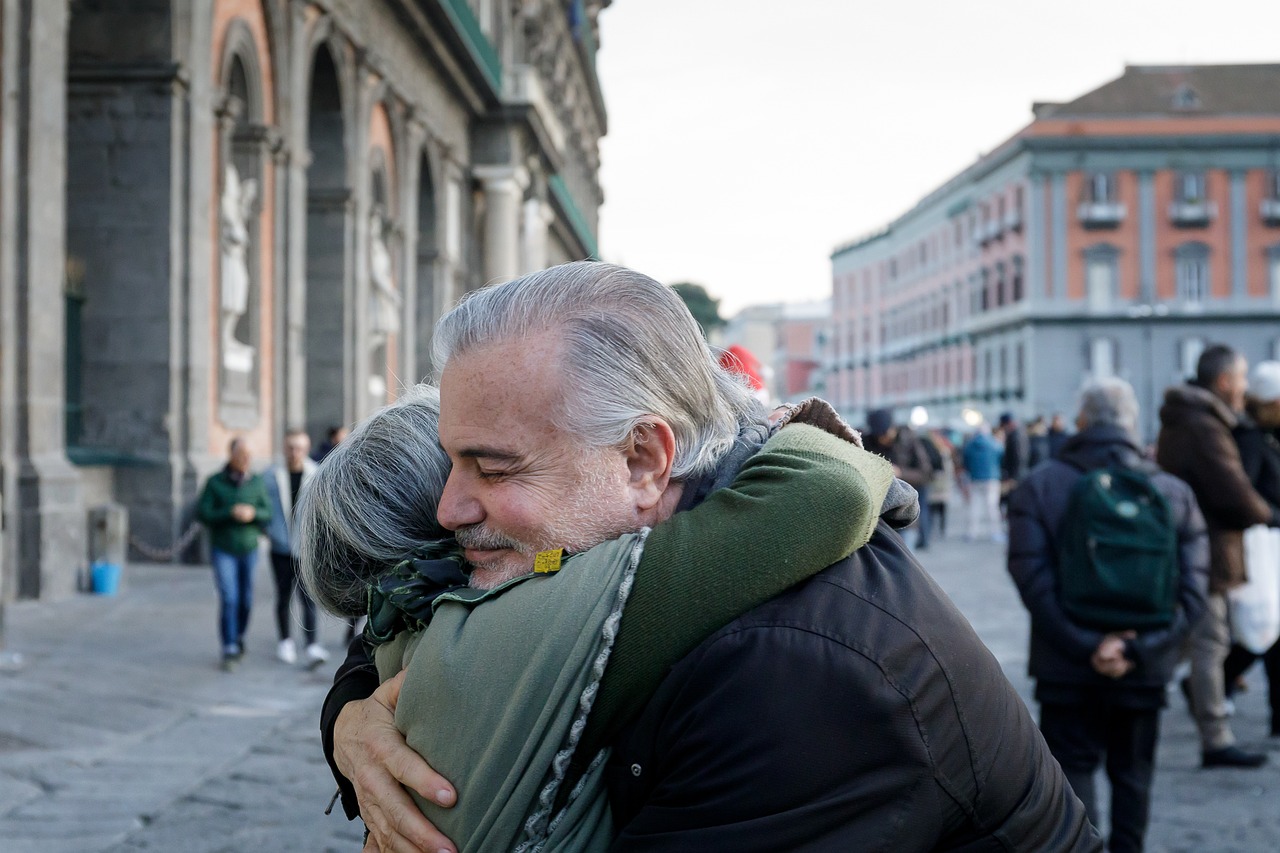
Support doesn’t require you to agree with someone’s thoughts. It requires you to honour their emotions. You can believe someone is wrong and still be kind. You can think their fear is disproportionate and still offer empathy.
In fact, real empathy often shows up when it would be easier to judge.
Try supporting them with words like:
- “I don’t see it the same way, but I respect how you’re feeling.”
- “This might not be dangerous to me, but I can see it’s scary for you.”
- “Let’s figure out a way through this together.”
Choose Compassion Over Correction

When someone is struggling, don’t rush to logic. Don’t jump straight to solutions. Give them space to feel what they’re feeling without shame. Often, what people need first is to be seen, not to be solved.

Sometimes just being there, calm and open, is enough to ground someone. Your quiet attention can be the comfort they didn’t know they needed. And your willingness to be there, without needing them to change how they feel, can be more healing than you know.
In a world already full of fear, uncertainty, and pain, the last thing any of us needs is to feel alone in it. So let’s choose kindness. Let’s stay present. Let’s remind each other: You don’t have to be right. You just have to be yourself.

I hope you found this article interesting and useful. Please take look at some of my other pages or blog posts where I talk about different therapies and my own wellbeing journey. If you’d like to see my future content then please enter your email and press subscribe below and you will be alerted when I publish anything new. Thank You for taking the time to read this. Until next time, I wish you all the very best. Janet x
Home
Images that I haven’t taken myself are from pixabay.com, unsplash.com or pexels.com.







 Solistic