The Power of Positive Mindsets

In a world dominated by news of crisis, conflict, and chaos, it can feel as though the very fabric of humanity is unravelling. You only need to look at the news to see the every day horrors of war, abuse, corruption and propaganda that seems to get worse by the day.
Yet, amidst the noise of negativity, a profound truth often goes unnoticed: the power to heal the world rests within each of us, in our ability to focus on the good. It may sound simple, even idealistic, but history and science show that collective positive intention can drive change, both within ourselves and in the world around us.
What hope is there?
We can explore how shifting our focus toward what is beautiful, kind, and hopeful in the world can ignite real transformation.
The Energy of Attention
Where we place our attention shapes not only our personal experiences but also the world we live in. Our minds are like sponges, soaking up the information we give them, and in today’s environment, they are often drenched in despair. Every headline, every viral video of injustice, every tweet that fuels division draws us deeper into the narrative that the world is broken beyond repair.
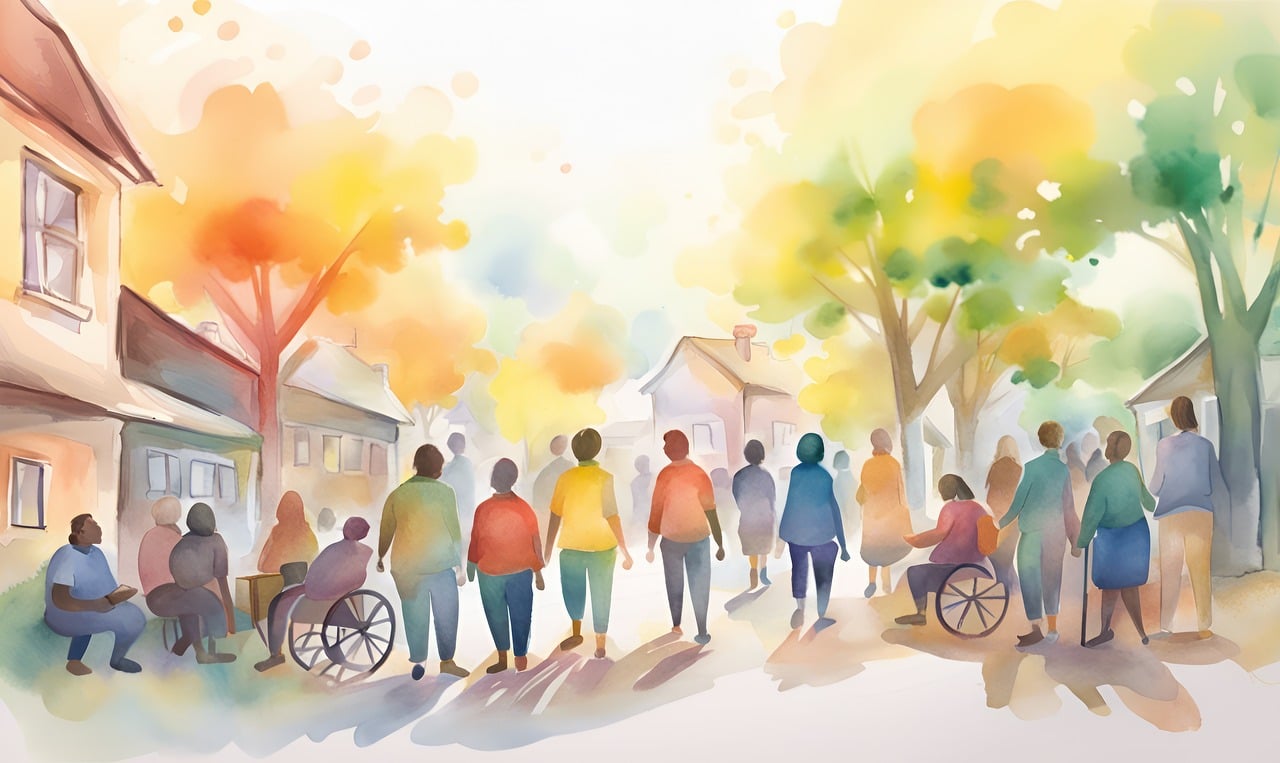
But what if we took control of where we direct our attention? Imagine focusing not on the crises that divide us, but on the small acts of goodness happening every day—the people who reach out to help their neighbours, the communities rallying around vulnerable members, the innovators developing sustainable solutions to global challenges. These stories are everywhere, yet they don’t always make it to the forefront of our consciousness.
Cultivating a mindset of gratitude and positivity can rewire our brains, making us more resilient, hopeful, and compassionate. When we focus on the good, we activate neural pathways associated with joy and empathy, helping us to cope with stress and developing a sense of connection with others. This isn’t about denial—it’s about balance. By choosing to give our energy to what uplifts us, rather than what drags us down, we become part of the solution.
The Ripple Effect of Good Energy
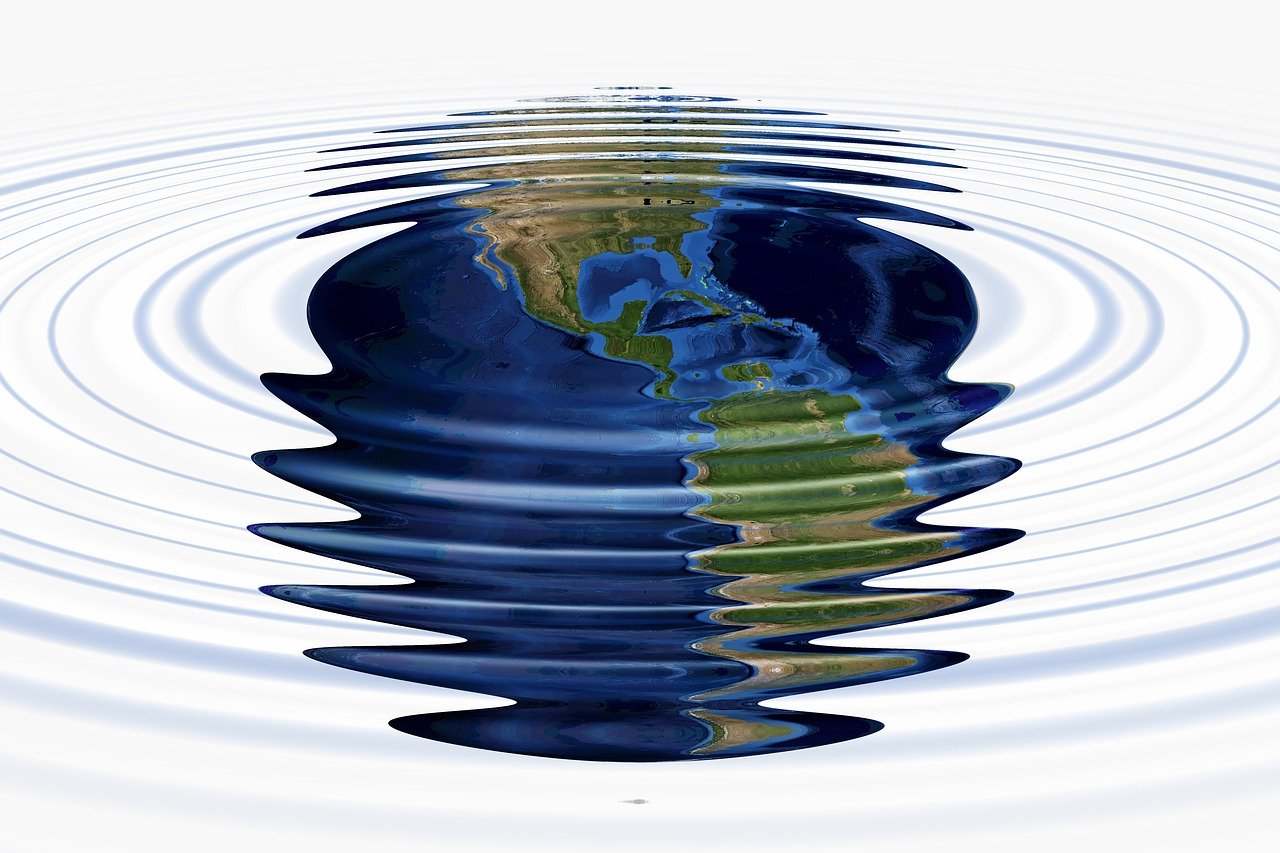
Imagine each positive thought, each kind gesture, each moment of mindful appreciation as a ripple in the vast ocean of collective consciousness. Individually, these actions might seem small, but as they spread outward, they interact with others, creating waves of change.
By focusing on the good, we radiate positive energy that others naturally pick up on. This energy creates an environment where kindness is more likely to flourish, where solutions are more likely to emerge, and where peace has the space to grow. Healing the world begins with healing ourselves, and healing ourselves begins with what we choose to nurture in our hearts.
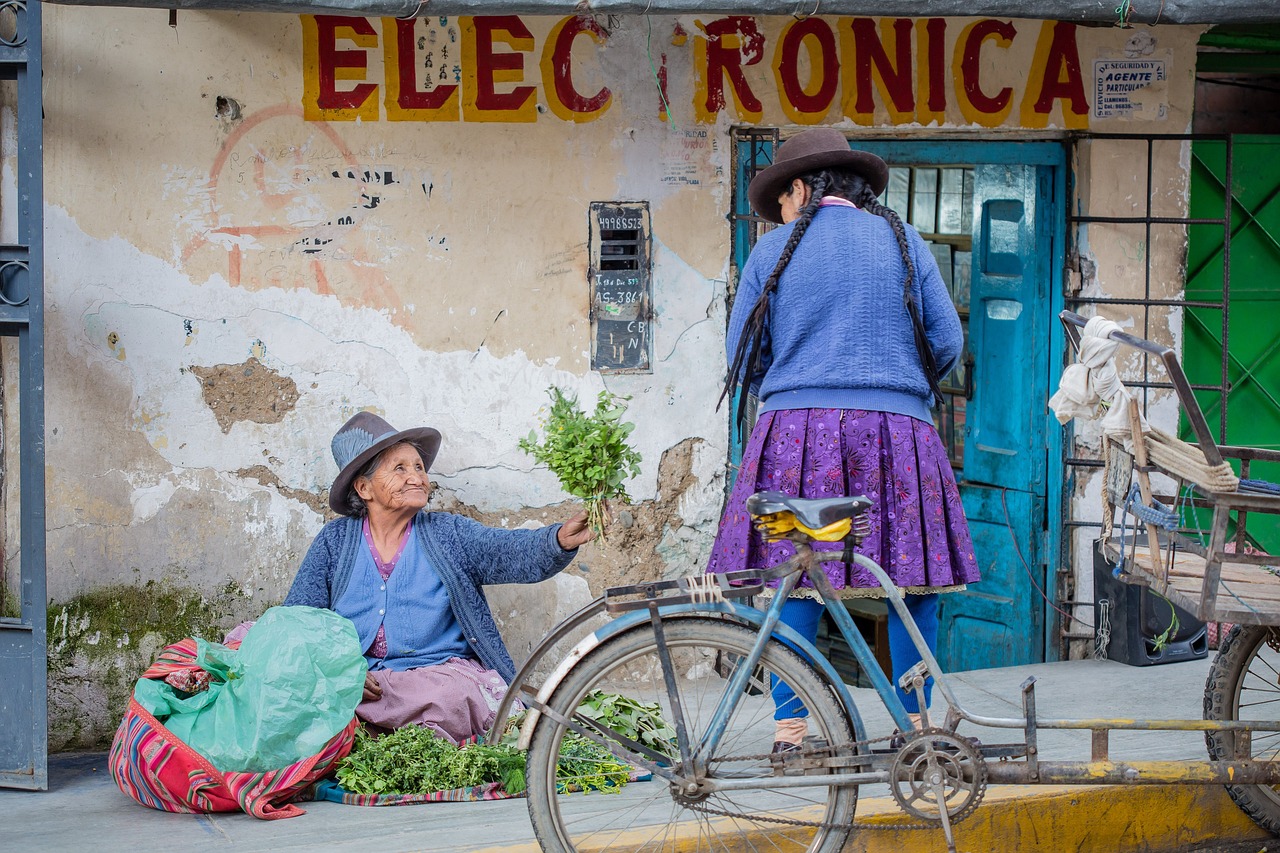
The ripple effect is real. One person’s smile can lift the mood of an entire room, and one act of generosity can inspire a chain of kindness. This is not imaginary; it’s deeply embedded in how humans are wired. Emotions are contagious, meaning the positivity or negativity we project affects those around us in profound ways. And in this interconnected world, our impact extends further than we often realize.
Cultivating Goodness in Everyday Life
So, how can we cultivate this focus on the good in our everyday lives?
1. Practice Mindful Gratitude
Every day, take a few moments to reflect on the things, however small, that brought you joy or comfort. It could be a simple conversation with a friend, a beautiful sunset, or the satisfaction of a job well done. Writing these moments down amplifies their effect. Over time, this practice trains your brain to seek out positive experiences, reinforcing a mindset of abundance and gratitude.
2. Amplify the Good Around You
When you see something beautiful—whether it’s an inspiring story, a personal achievement, or a small act of kindness—share it. Talk about it, post it online, and celebrate it. By amplifying the good, you help shift the collective focus from despair to hope. People crave positivity, even if they don’t always realize it, and your voice can be a beacon.
3. Be the Change in Your Community
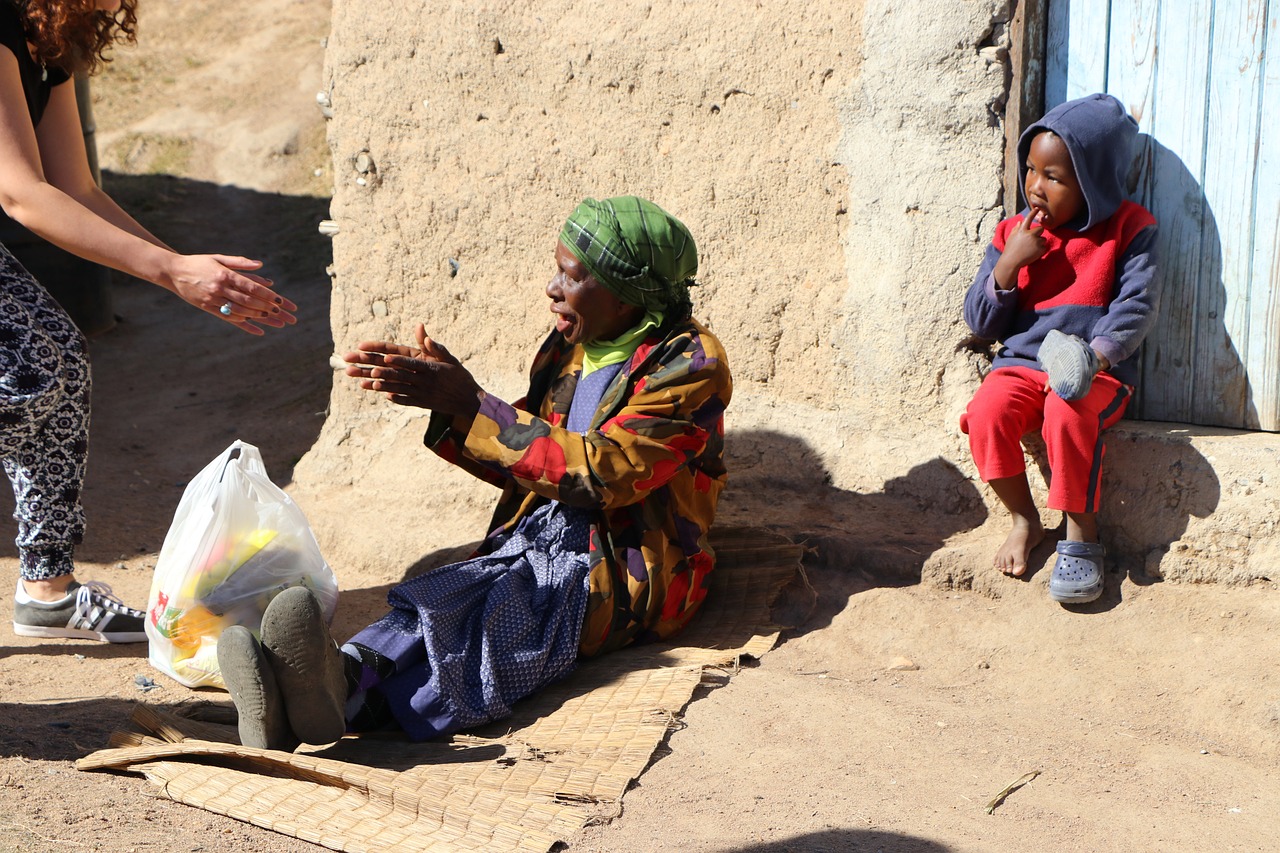
The world is a mosaic of communities, each one shaped by the people within it. By choosing to act with kindness, generosity, and empathy in your own community, you contribute to a culture of goodness. Volunteering, mentoring, offering help to a neighbour, or even just listening to someone who needs to be heard can have a far-reaching impact.
4. Engage with Media Mindfully
Our minds are constantly influenced by the media we consume. Be selective about the content you engage with. Instead of scrolling through endless negative news, seek out platforms that highlight positive stories, innovation, and solutions to global problems. Surround yourself with content that uplifts and empowers, rather than disheartens.
5. Turn Empathy into Action
Focusing on the good doesn’t mean ignoring the world’s pain; it means responding to it in ways that heal rather than harm. When you encounter stories of suffering, instead of feeling overwhelmed or hopeless, ask yourself, “What can I do to help?” Sometimes, the answer might be donating to a cause, volunteering, or simply offering emotional support to those affected. Action transforms empathy into empowerment.
Healing the World, One Thought at a Time
It’s easy to feel small in the face of global problems, but change is always built on the foundation of small actions. When we choose to focus on the good, we are not turning away from the world’s problems but acknowledging that healing begins with hope. We are affirming that, despite the darkness, there is light—and that light exists in every act of kindness, every expression of love, every moment of peace.
In the end, healing the world is not about grand gestures or sweeping changes. It’s about millions of individual hearts choosing to focus on what’s good, nurturing it, and letting it grow. When enough of us do this, the world will change—one thought, one action, one ripple at a time.

I hope you found this article interesting and useful. Please take look at some of my other pages or blog posts where I talk about different therapies and my own wellbeing journey. If you’d like to see my future content then please enter your email and press subscribe below and you will be alerted when I publish anything new. Thank You for taking the time to read this. Until next time, I wish you all the very best. Janet x
Home
Images that I haven’t taken myself are from pixabay.com, unsplash.com or pexels.com.







 Solistic